
Who We Help · Pet Groomers & Boarding · Advisory & CFO
Pet groomer and boarding CFO: pricing, packages, and cash through the year
A grooming and boarding business does not earn steadily through the year — boarding fills up hard around the December holidays, March break, and summer, and sits quiet in January and February. The financial questions that matter most are not about last month’s close; they are about whether this month’s package pricing, commission structure, and cash reserve will still work when the calendar turns. That kind of forward-looking work is what a fractional CFO adds once the monthly books are already reliable.
By the AnalytIQ Accounting team · Last reviewed: August 12, 2026
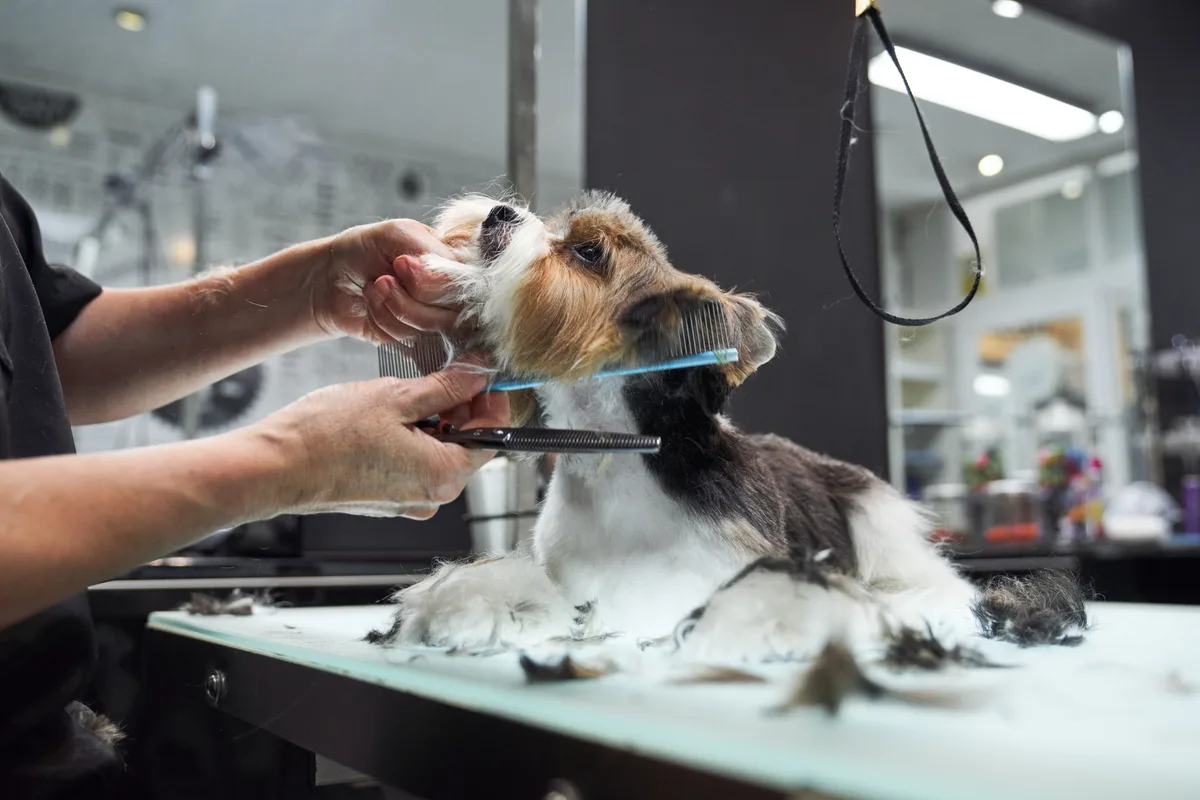
Boarding revenue is not spread evenly across the year
A calendar that runs full over the holidays and half-empty in late winter is normal for boarding, but it only works financially if the peak months build a reserve deliberately rather than getting absorbed by whatever bills happen to be due. We build a rolling cash flow forecast around the actual seasonal pattern, so a quiet February is expected and funded rather than a surprise that shows up as a profitable business that is always short on cash. Expansion decisions — adding kennel runs, leasing a second location, taking on a bigger holiday-season lease — get tested against that same forecast rather than against a single strong December that may not repeat.
Package pricing is a cash-flow tool, not just a discount
A punch card or pre-paid boarding package brings cash in before the service is delivered, which is genuinely useful during a slow stretch — but only if it is priced to still protect margin once redemption patterns are accounted for. A package discounted too aggressively to move volume in January can quietly erode the margin on services that would have sold anyway during the busy months. We model expected redemption timing and breakage against the discount before a new package goes live, not after a year of data shows it was underpriced, and we track the outstanding package liability alongside cash on hand so a strong pre-sale season is not mistaken for spendable profit, especially heading into a slower quarter when that liability still has to be honoured in service, not cash.
Commission percentage is a margin lever, not just a pay decision
Raising a groomer's commission share keeps talent and lowers turnover, but it comes directly out of shop margin on every ticket, every time. A table-rental model trades that away for a fixed, predictable rent income with no labour cost at all — but it also cedes control over pricing, scheduling, and the client relationship. Neither model is universally better; the right mix depends on how much of the shop's growth should come from adding rented tables versus building an employed team, and that is a strategic call worth modelling before you sign the next lease on kennel space. We usually run both scenarios against the same twelve-month forecast so the trade-off is visible in dollars, not just in the abstract.
Liability insurance premiums belong in the pricing conversation
A boarding kennel or grooming table carries real incident risk, and the premium your insurer charges reflects that risk directly. We treat rising premiums as a pricing input rather than an expense to absorb quietly — if the cost of insuring the boarding side of the business is climbing, that cost needs to show up somewhere in the boarding rate, not get buried inside an overall margin that looks fine on paper while boarding specifically loses money. A per-service breakdown of margin, run separately for grooming, boarding, and retail, is usually what surfaces that kind of drift before it becomes a full-year problem.
Retail attach rate is worth tracking on its own
The share of grooming clients who also buy something off the retail shelf is one of the more useful KPIs a small business can track monthly, because it moves independently of service volume and responds directly to staff training and shelf placement. A shop that tracks its own attach-rate trend over time can tell whether a merchandising change actually worked, rather than guessing from a gut feel at the register. The same logic applies to boarding occupancy per night and average grooming ticket size — three numbers that, tracked consistently month over month, say more about the health of the business than the total revenue figure on their own.
None of this replaces clean monthly books — it depends on them. Our advisory and CFO service is built on top of the bookkeeping and payroll work we already do for grooming and boarding clients, so the numbers behind a pricing, staffing, or expansion decision are never a special request pulled together at the last minute. A fixed monthly fee, quoted after an initial discovery call, covers the ongoing reporting and the advisory conversation together.
Common questions.
How do we manage cash flow between our slow months and holiday peaks?
We build a forecast around your actual seasonal pattern and set a reserve target during peak months, so a quiet January or February is funded in advance rather than a scramble.
Should we grow through table renters or hourly employees?
It depends on whether you want fixed, lower-margin rent income and less control, or higher revenue per chair with the labour cost and management that comes with employees. We model both against your specific growth plan.
What is retail attach rate and why track it?
It is the share of grooming or boarding clients who also buy retail product. Tracking your own trend over time shows whether a merchandising or training change is actually moving the number.
Related reading
Plan the peaks instead of reacting to them.
Book a consultation and get a plain answer on exactly what applies to you.