
Who We Help · Pest Control Companies · Payroll
Pest control payroll: technicians are employees even when part of the pay is commission
A technician who earns a base wage plus a bonus for every termite inspection or wildlife exclusion they upsell on a route is still an employee, not a contractor, because the company owns the truck, the chemicals, the route and the customer. That single fact decides how the pay is taxed, how overtime is calculated and who carries the WSIB premium. We run pest control payroll so the commission structure that motivates good technicians never quietly turns into a payroll compliance problem.
By the AnalytIQ Accounting team · Last reviewed: August 12, 2026
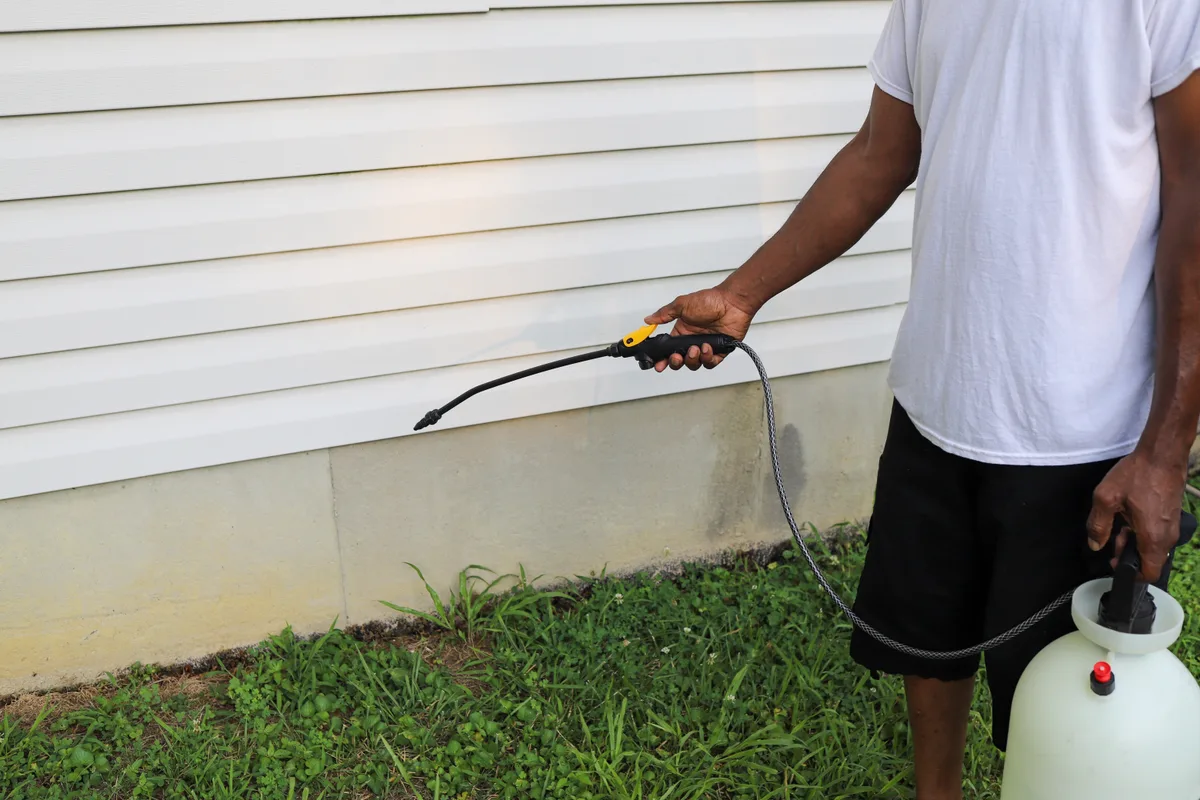
Commission on top of a base wage is still T4 income
Most pest control companies pay a base hourly or salary rate and layer a commission or spiff on top for closing add-on work during a scheduled stop: a termite protection plan sold during a general visit, a wildlife exclusion quote turned into a signed job. Because the company supplies the vehicle, the licensed product, the route and the customer relationship, the technician is almost always an employee under the CRA and Ontario Employment Standards tests, regardless of how commission-heavy the pay looks. Employee or contractor: how the CRA decides is the test we run before any pay structure is finalized, because misclassifying a technician as a contractor to avoid source deductions is one of the more common — and expensive — mistakes in this trade.
That means commission is folded into regular pay for source deductions, and it changes the overtime calculation. Ontario's overtime rate is based on the employee's regular rate for the week, and when commission is a meaningful share of pay, the regular rate has to include it before time-and-a-half is calculated on hours over 44. A payroll run that only applies overtime to the base hourly rate under-pays the technician and creates a liability that surfaces at the worst possible time — a Ministry of Labour complaint.
Licensing sits on the payroll timeline, not just the org chart
A technician who applies pesticide commercially needs an exterminator licence under Ontario's Pesticides Act, and most companies bring new hires on as apprentices working under a licensed technician's supervision until they qualify. That apprenticeship period is real paid time, usually at a lower base rate with no commission yet, and it needs its own pay code so the ramp from apprentice to licensed technician to senior technician is visible in the payroll history rather than buried in a series of ad hoc raises. Licence renewal fees and continuing education the company pays for are a taxable benefit only in specific circumstances; we track them separately so year-end T4 preparation does not require reconstructing a year of receipts.
| Role stage | Typical pay structure | Payroll note |
|---|---|---|
| Apprentice technician | Hourly, no commission | Separate pay code to track the licensing runway |
| Licensed route technician | Base hourly plus per-sale commission | Commission included in the regular rate for overtime |
| Seasonal summer technician | Hourly, fixed term | ROE issued on layoff; vacation pay accrued and paid out |
| Inside sales or scheduler | Salary plus contract-close commission | No pesticide licence required; different WSIB class weight |
WSIB: applying product is not the same risk as answering phones
WSIB coverage is mandatory for the technicians who apply product and drive routes, and the premium is rated on payroll dollars within your classification. Because a pest control company usually runs both field technicians and office or sales staff, we split payroll by function so the WSIB return reflects the actual mix of exposure rather than one blended rate applied to everyone. Getting that split right also protects a claim: if an incident happens on a route, a clean record of who was licensed, who was covered and what hours they worked that week is the first thing an adjuster asks for.
Seasonal swings and the summer surge
Ant and wasp calls spike from May through August, rodent calls pick up in the fall, and a company that runs three technicians in February may need six in July. We set up seasonal hires with a fixed end date understood by both sides, issue the Record of Employment correctly at layoff, and track accrued vacation pay so it is paid out rather than forgotten when a summer technician does not return the following year. A vehicle allowance or a company vehicle is the other recurring payroll question in this trade: a company-supplied van with personal use has a standby charge and operating benefit to calculate, while a per-kilometre allowance for a technician's own vehicle needs to sit within CRA's reasonable rate to stay non-taxable. Our CFO services for pest control companies page covers how route staffing is planned against the seasonal revenue curve, and the full payroll service is described on our payroll services page.
Common questions.
Can I pay my technicians as contractors to avoid source deductions?
Almost never legitimately. The company supplies the truck, the licensed chemicals, the route and the customer, which points strongly to an employment relationship regardless of how the pay is structured, so contractor treatment usually does not survive a CRA review.
Does commission count toward overtime pay?
Yes. Ontario calculates overtime on the employee's regular rate for the week, which has to include commission earned that week before time-and-a-half applies to hours over 44.
How do I pay an apprentice who is not yet licensed?
As an hourly employee on a separate pay code, typically without the commission structure that applies once they hold their exterminator licence and run their own route.
Related reading
Pay structured for routes and licences.
Book a consultation and get a plain answer on exactly what applies to you.