
Who We Help · Paving & Concrete Contractors · Tax Services
Paving and concrete contractor tax: fleet CCA, holdback timing and a T2 bonding accepts
For a paving or concrete contractor, tax is mostly about timing: when a holdback becomes income, when a new paver's cost starts depreciating, when a repair is a repair and when it is a capital cost, and when instalments fall due in a business that earns for seven months and spends for twelve. We plan the T2, the HST returns and owner compensation around that rhythm.
By the AnalytIQ Accounting team · Last reviewed: August 12, 2026
Depreciating the fleet: the CCA classes that matter
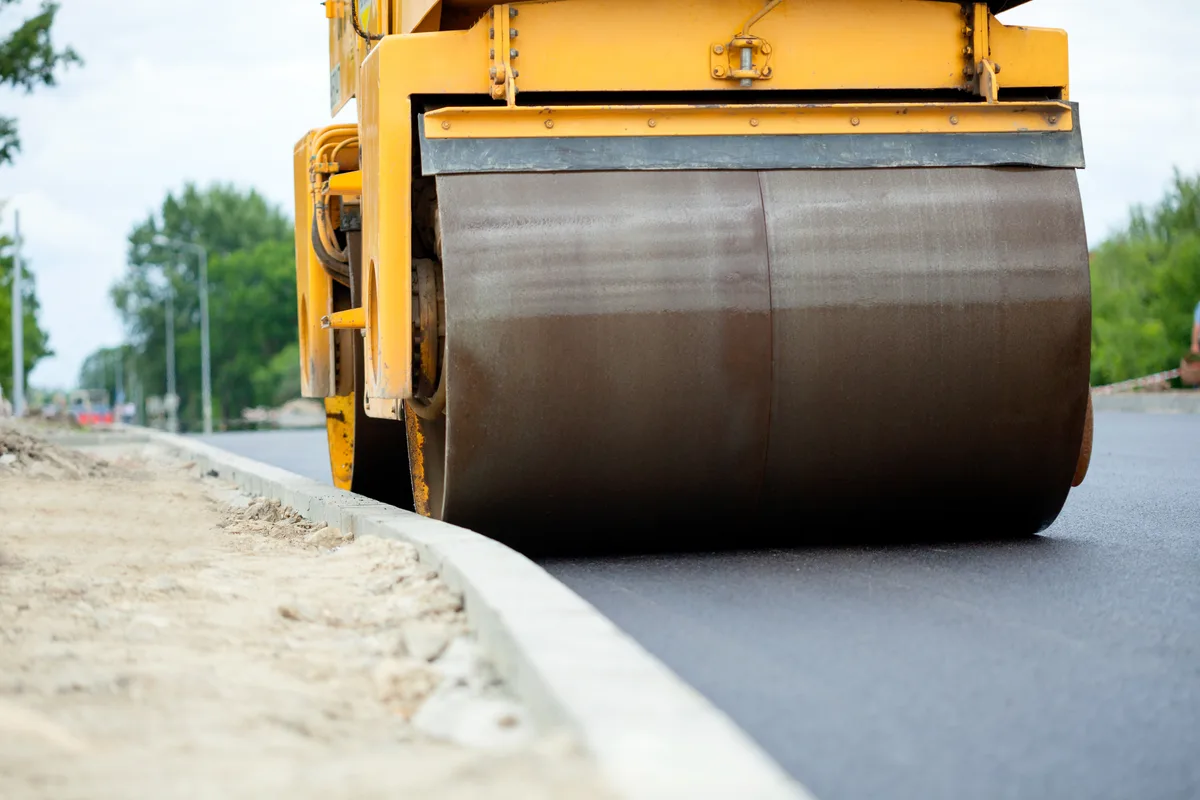
Most of the machines a paving or concrete contractor owns fall into a handful of capital cost allowance classes, and the class decides how fast the cost comes off taxable income. Pavers, rollers, milling machines, skid steers and other power-operated movable equipment used to move, place or compact earth, concrete or asphalt generally belong in Class 38 at 30 percent. Pickups and most trucks sit in Class 10, also at 30 percent, while heavier freight-rated trucks can qualify for Class 16 at 40 percent depending on weight rating and use. Compressors, forms, power trowels and plate tampers default to Class 8 at 20 percent, and small tools under the Class 12 cost limit are written off in the year of purchase.
The first-year rules layered on top of those rates have changed more than once in recent years, and the treatment depends on when a machine becomes available for use, so we confirm the first-year allowance at the time of each purchase rather than assume last year's result. Two other points cost contractors money every year. A rebuilt engine or a new set of tracks can be a repair or a capital addition depending on what it does to the machine's life and value. And selling a paver at auction for more than the remaining balance in its class produces recapture that lands on the T2 as income in the year of sale.
| Asset | Typical class and rate | Notes |
|---|---|---|
| Asphalt paver, rollers, milling machine | Class 38 — 30% | Power-operated movable equipment for placing and compacting asphalt and concrete |
| Skid steer, mini excavator, trailer-mounted concrete pump | Class 38 — 30% | Truck-mounted pumps are classified on the combined unit; we confirm at purchase |
| Pickups and light-duty trucks | Class 10 — 30% | Passenger-vehicle limits in Class 10.1 can apply to some crew cabs and SUVs |
| Tri-axle dump trucks | Class 10 — 30% or Class 16 — 40% | Class 16 requires a freight-hauling design and a weight rating above the threshold |
| Forms, compressors, power trowels, plate tampers | Class 8 — 20% | The default class when nothing more specific applies |
| Hand tools under the cost limit | Class 12 — 100% | Written off in the year of purchase |
Holdbacks, progress billings and when income is income
The 10 percent statutory holdback on commercial and municipal work is not income when you invoice it. CRA's long-standing position for contractors is that a holdback is brought into income when it becomes receivable, which is after substantial performance is certified and the lien period runs. That timing is worth planning around a year-end, because a large release landing on the wrong side of it moves tax between years. The mirror image applies to holdbacks you withhold from subcontractors, which are not deductible until they become payable.
Commercial contracts that straddle year-end need a consistent method — percentage of completion or completed contract — applied the same way every year, and your bonding company will expect the same method in the financial statements it reads. Short residential jobs are simpler: revenue when the driveway or pad is finished, with deposits held as liabilities until then. Whatever the method, HST on a holdback is due only when the holdback is paid or becomes payable, so the GST34 tracks the income timing rather than running ahead of it.
HST and fuel taxes on plant tickets, ready-mix and diesel
Every dollar of paving and concrete work is taxable at 13 percent HST in Ontario — there is no residential exemption for driveways or walkways — and every dollar of hot-mix, ready-mix, aggregate, rebar, fuel and equipment carries input tax credits back. Because purchases are lumpy and machines are expensive, the filing frequency matters: a contractor buying a paver in April recovers the HST months sooner on a monthly filing than on an annual one. We choose the reporting period deliberately and make sure the input tax credit is claimed on the GST paid at the border on any imported machine, which is easy to miss because it appears on a customs accounting document rather than a supplier invoice.
Fuel has its own rules. Coloured diesel for off-road equipment is exempt from Ontario fuel tax; clear diesel for licensed trucks is not, and coloured fuel found in a licensed vehicle brings penalties. The federal fuel charge on fuel purchases ended on April 1, 2025, which changed the cost of a tonne placed and should have changed your estimates. Keeping coloured and clear fuel in separate accounts is what makes the fuel tax position defensible if anyone asks.
Instalments, owner pay and where CRA looks
Corporate tax instalments are due through the year based on the prior year's tax, which means a contractor pays on last season's profit during this season's slow months. We map the corporate instalment schedule against the cash-flow calendar so April and May do not become a scramble. The small business deduction keeps the corporate rate low on the first $500,000 of active income, but if the equipment sits in a separate related company, the two companies share that limit, and the allocation is a filing choice we make each year.
Owner compensation — salary, dividends or a mix — is settled before year-end rather than after, because it drives RRSP room, CPP and what the company keeps for the next machine. And because construction is a standing focus of CRA's underground economy work, we keep the file audit-ready: plant tickets tied to jobs, T5018s that match subcontractor payments, deposits traced to customers, and fuel and vehicle logs that support the claims. For machines bought in the US or financed in US dollars, the cross-border tax page for paving contractors covers the extra steps, and our tax services page sets out the annual filing rhythm for every client.
Common questions.
What CCA class is an asphalt paver?
Class 38, at 30 percent, which covers most power-operated movable equipment used to move, place or compact earth, concrete or asphalt. Rollers, milling machines and skid steers generally land there too.
Do I pay tax on holdbacks before I receive them?
No. A holdback is brought into income when it becomes receivable after substantial performance is certified and the lien period runs, and the HST on it is due when it is paid or becomes payable.
Is HST charged on residential driveway paving?
Yes, at 13 percent in Ontario, with no residential exemption. You recover the HST on hot-mix, aggregate, fuel and equipment as input tax credits.
Related reading
Tax planned around the paving calendar.
Book a consultation and get a plain answer on exactly what applies to you.