
Who We Help · Optometrists · Bookkeeping
Optometrist bookkeeping: one storefront, two revenue engines, three HST rules
An optometry practice sells exempt eye exams, zero-rated prescription eyewear, and taxable accessories from the same front desk — three GST/HST treatments that most bookkeeping setups collapse into one. We keep the exam lane and the dispensary as separate profit centres, with the POS mapping, inventory, and OHIP reconciliation each side needs.
By the AnalytIQ Accounting team · Last reviewed: August 12, 2026
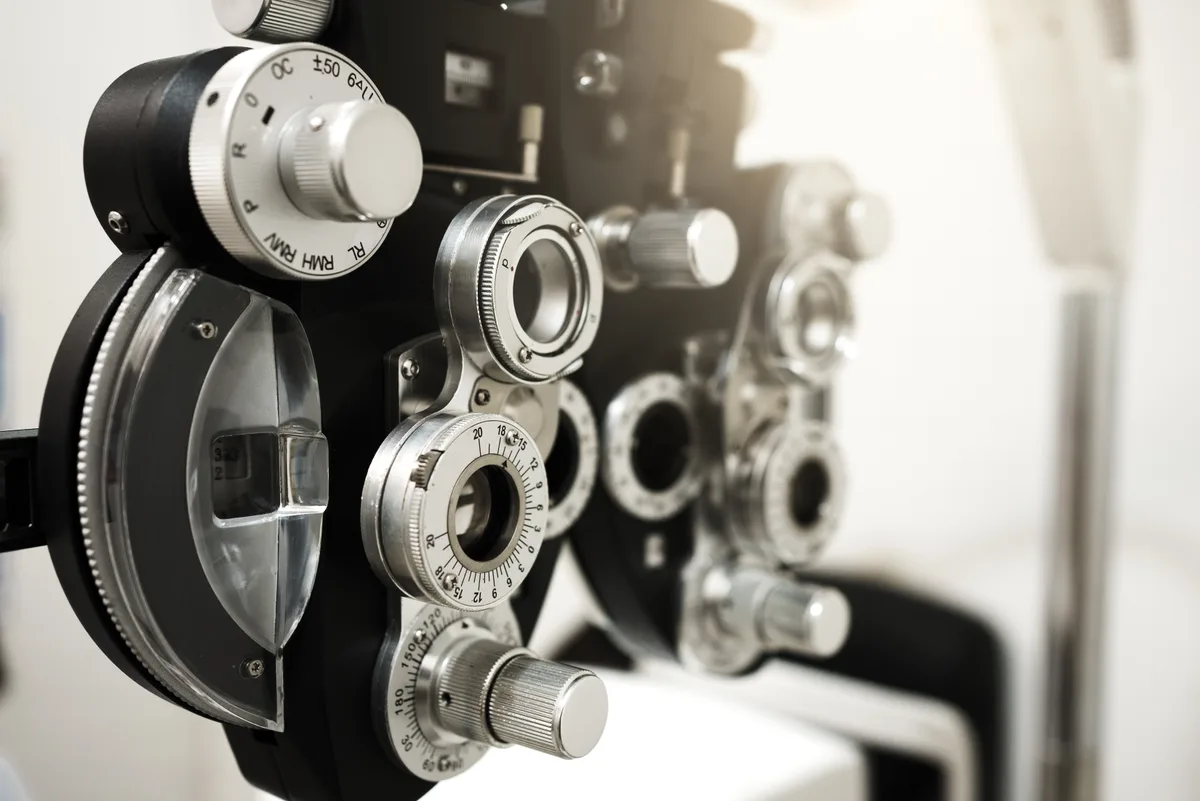
Run the exam lane and the dispensary as two profit centres
Exam revenue and eyewear revenue behave nothing alike: one is professional-fee income limited by chair time, the other is retail with inventory, supplier terms, and markup decisions. Blending them into a single sales line hides the number optometry lives on — how much dispensary revenue each exam generates. We split the practice into an exam segment and a dispensary segment, each with its own revenue, costs, and margin, so the monthly statements show which engine pulled and which coasted. It also puts real numbers behind capture rate — how much dispensary revenue follows each exam — the metric most practices quote but few can actually pull from their own statements.
Three GST/HST treatments in one storefront
Optometry may be the messiest GST/HST profile in health care, because all three treatments coexist at your front desk — and each has different consequences for input tax credits.
| Revenue stream | GST/HST | Consequence for the books |
|---|---|---|
| Eye exams and professional services | Exempt | No tax charged; no ITCs on inputs used for this side |
| Prescription eyeglasses and contact lenses | Zero-rated | No tax charged, but ITCs on frames, lenses, and lab costs are claimable |
| Plano sunglasses, accessories, solutions | Taxable | HST collected and remitted; ITCs claimable |
| Shared costs — rent, staff, utilities | Mixed use | ITCs apportioned between exempt and commercial activity on a consistent method |
The apportionment line is the one that gets practices into trouble: claim everything and the return is wrong, claim nothing and you overpay. We set a defensible allocation method once, document it, and apply it every period. Registration itself is rarely optional, either: dispensary sales are commercial activity, and once taxable and zero-rated revenue passes the $30,000 small-supplier threshold the practice should be registered and claiming.
OHIP pays for your youngest and oldest patients
OHIP insures routine eye exams for patients 19 and under and 65 and over, plus those with qualifying medical conditions — so a typical day mixes insured exams, private-pay exams, and direct-billed vision plans. We book OHIP claims as a receivable when submitted through the Ministry's MC EDT channel and reconcile the monthly remittance against them, so rejected claims are corrected and resubmitted instead of quietly expiring. Private-pay exams and insurer direct billings each get their own stream, which keeps the exam segment's revenue mix visible month over month.
Direct-billed vision plans get the same rigour. Assignments to insurers become receivables, and matching remittances to claims catches partial payments that would otherwise linger as unexplained balances. When a patient splits payment between a plan and their own card, the entry has to keep both pieces attached to one sale — or the day simply will not balance.
Frames and lenses: inventory plus job costing
The dispensary is a real retail operation. Frame boards from suppliers like Luxottica and Safilo are inventory on the balance sheet, while lens and lab charges are the direct cost of a specific job. We match lab invoices to eyewear sales so each Rx job carries its frame cost, lens cost, and lab work — and gross margin per sale is a fact rather than a feeling.
- Board discipline — periodic frame counts catch shrinkage and identify styles that have sat long enough to discount or return.
- Supplier statements — monthly reconciliation captures volume credits and pricing changes that otherwise leak margin.
- Remake tracking — lab remakes are logged as their own cost line, since a rising remake rate is an operational problem the P&L should expose.
- Contact lenses as their own sub-stream — reorders often ship direct from the supplier, so lens sales and their costs are tracked separately with their own margin.
Equipment, the border, and the bigger picture
Optometric equipment is expensive and often sourced from US vendors — an OCT, a phoropter, an edger — so we capitalize each purchase at its full landed cost, including freight, duty, and the exchange rate on the payment date, keeping a clean asset ledger for year-end CCA claims. Financed purchases are split between the loan and the asset, so the balance sheet tells the truth about both. If your history includes US optometry school, US income years, or student loans from an American lender, our cross-border tax guide for optometrists covers the reporting side. And for what our monthly close includes for every client, see our bookkeeping services.
Common questions.
Do optometrists charge HST on glasses?
Not on prescription eyewear — that is zero-rated — but plano sunglasses, accessories, and solutions are taxable, and exams are exempt. Getting all three treatments right starts with correct POS department mapping.
How do input tax credits work when exam revenue is exempt?
Full ITCs on dispensary-only costs, none on exam-only costs, and a consistent, documented apportionment for shared costs like rent and staff. We set the method once and apply it every filing.
How do you reconcile OHIP optometry billings?
Claims submitted through MC EDT are booked as receivables and matched against the monthly remittance, so underpayments and rejections are corrected while they can still be resubmitted.
Related reading
Clear books for exams and eyewear alike.
Book a consultation and get a plain answer on exactly what applies to you.