
Who We Help · Nail Salons · Payroll
Nail salon payroll: piece rates that clear minimum wage, and honest classification
Per-service pay is legal in Ontario only when it averages out to minimum wage over every hour a tech is required to be there — idle time included. That single rule, plus honest classification and clean records, is most of nail salon payroll; the rest is small-team mechanics done consistently in a sector inspectors already know.
By the AnalytIQ Accounting team · Last reviewed: August 12, 2026
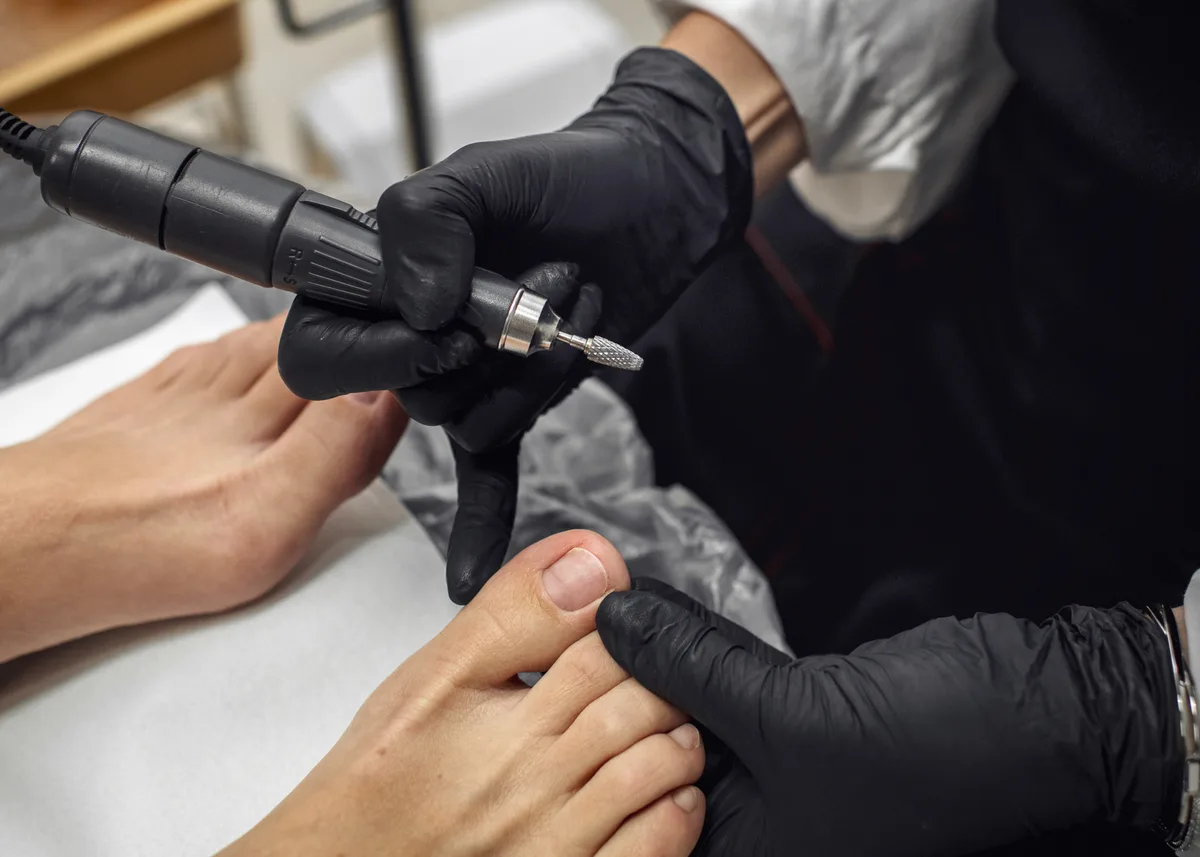
Per-service pay must survive the hours test
Paying a tech per manicure, or a percentage of each service, is a piece rate — and piece rates are lawful only when total pay divided by total hours clears minimum wage in every pay period. The catch in a nail salon is idle time: a tech required to stay at her station between walk-ins is working under the ESA even while the chair is empty, and those waiting hours go into the denominator. A quiet Tuesday of two pedicures across a seven-hour shift is a minimum-wage top-up owing, not a cheap day.
That makes hour records the whole game. Track actual time in and out — not appointment counts — pay the top-up whenever the math falls short, apply the three-hour rule when you send someone home early, and let vacation pay accrue at 4% on everything, per-service earnings included.
This sector gets inspected — build for it
Nail salons are a recurring target of employment-standards enforcement, and the recurring findings repeat: cash wages with no records, missing public-holiday pay, and deductions from pay for polish, tools, or damaged product. Cash is a payment method, not a tax status — withholding, remittances by the 15th of the following month, T4s in February, and WSIB registration all still apply. Deducting supply costs or mistakes from wages is simply not allowed. Tip flows deserve the same discipline: money a client hands or designates to the tech stays hers and stays outside payroll, while any pool the salon divides on its own formula becomes wages with CPP and EI attached.
Collect a SIN and TD1 before the first shift and keep a written pay agreement for each tech. When an inspector or a CPP/EI ruling arrives, the salons that suffer are the ones reconstructing hours from an appointment book.
| Pay model | What it is | What must still be true |
|---|---|---|
| Hourly | Straight wages | Minimum wage, vacation pay, overtime past 44 hours |
| Hourly plus retail commission | Wages plus incentive | Commission counts in vacation and stat-pay math |
| Per-service (piece rate) | Wages expressed per service | Must average minimum wage over all hours, required waiting time included |
| 50/50 split with the house | Usually still employment | Same floors apply; a split is not a partnership |
| Room renter (esthetician) | Tenant, not staff | Rent invoiced with HST; her own GST/HST account and T2125 |
Employee, renter, or somewhere in between
Most nail techs are employees on CRA's factors: the salon sets the price list, owns the station and the bookings, supplies gel and acrylic, and takes the client-facing revenue. Owning a personal kit of brushes does not change that. The genuine exceptions look different from the start — an esthetician, lash artist, or facialist renting a treatment room, keeping her own schedule, collecting from her own clients, and paying rent you invoice with HST. Reclassification travels in two directions at once: CRA assesses both shares of CPP and EI retroactively while the Ministry of Labour pursues vacation and public-holiday pay on the same facts. If you are unsure which side of the line an arrangement sits on, request a CPP/EI ruling before the tech does.
The pay run itself is small — run it lean
A six-tech salon fits comfortably in Wagepoint or QuickBooks Payroll at a fixed monthly cost: direct deposit, vacation pay on each cheque by written agreement, ROEs within five days when someone leaves, and remittance deadlines handled automatically. The Employer Health Tax stays irrelevant below $1 million of Ontario payroll. What payroll cannot fix is the revenue side — the service-versus-retail split and product inventory belong to nail salon bookkeeping, and USD purchasing from US suppliers is covered in our cross-border page for nail salons.
Source: Ontario — ESA guide, minimum wage.
Common questions.
Is paying per service legal in Ontario?
Yes, as a piece rate — provided total pay divided by total hours meets minimum wage each pay period, counting time a tech is required to wait at the salon. If it falls short, a top-up is owed.
My techs prefer to be paid in cash. Is that a problem?
Cash is fine as a payment method, but nothing else changes: you must still record hours, withhold tax, CPP, and EI, remit on time, and issue T4s. Cash with no records is what inspections find first.
When is a tech or esthetician genuinely a renter?
When she books her own clients, sets her own prices, supplies her own product, collects her own money, and pays you rent invoiced with HST. If the bookings and price list are yours, she is staff.
Related reading
Pay that clears the wage floor.
Book a consultation and get a plain answer on exactly what applies to you.