
Who We Help · Nail Salons and Estheticians · CFO Advisory
Nail salon CFO services: your menu is a margin map — price it that way
Every service on a nail or esthetics menu buys minutes of a technician and a table, plus product, at a posted price — which means every line has its own margin, and some of your busiest services are probably your worst. Our fractional CFO work costs the menu service by service, prices the booth-rent versus employee decision as the fork in the road it is, and turns booking-app data into numbers you can run the salon on.
By the AnalytIQ Accounting team · Last reviewed: August 12, 2026
Every service has three costs: minutes, product, and the redo
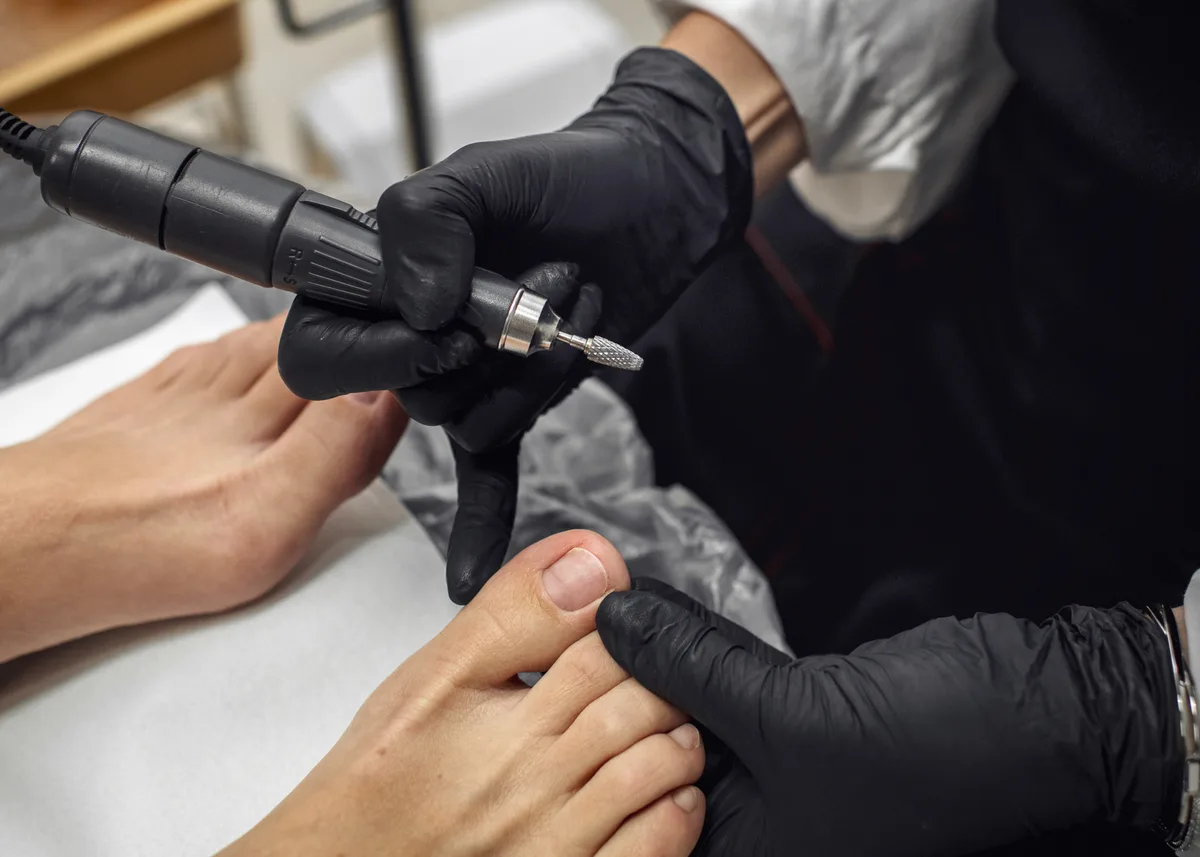
Menu margin is the posted price minus product used minus the technician minutes it consumes — and minutes are the real inventory, because a table can only sell the hours the salon is open. A structured-gel full set that books ninety minutes has to clear a much higher bar than an express pedicure that turns the chair in thirty-five. Redos and fixes belong in the cost too: a service line that comes back for free repairs a tenth of the time is quietly repricing itself.
We cost each menu line from your own booking and POS history, then flag the floor: services whose contribution per table-minute falls below the salon's break-even rate get repriced, rebundled, or retired. The result is a menu where the popular services are also the profitable ones, instead of the other way around.
| Menu line | Main cost driver | What we watch |
|---|---|---|
| Gel manicure | Technician minutes | Actual time versus booked time, redo rate |
| Extensions and full sets | Time plus tips, forms, product | Contribution per table-minute against simpler services |
| Pedicures | Chair time, disposables, sanitation | Chair utilization by daypart |
| Esthetics add-ons (brows, wax, facials) | Room time, consumables | Attach rate to nail appointments |
| Retail (polish, care, skincare) | Inventory carry, USD landed cost | Stock turns, sell-through by tech |
Booth rent or payroll: pick the business you are running
A booth-rent salon is a landlord business — predictable rent revenue, no wage cost, and no say over the renter's prices, hours, or standards. An employee salon is a margin business — you keep what services earn after wages, CPP, EI, vacation pay, and WSIB, and in exchange you control the menu, the retail push, and the rebooking script. Both models work; the expensive version is drifting between them, where you carry employer obligations and still have no control.
The tax mechanics follow the choice. Booth rent is a taxable supply, so a registered salon charges HST on it, while each renter tracks her own $30,000 small-supplier threshold and files her own T2125. Call someone a renter while setting her prices and schedule, and CRA's ordinary control tests can reclassify her — the special deemed-EI rule for barbers and hairdressers does not name nail technicians, but the regular employee tests bite just as hard. We model both structures on your real volumes before you commit either way.
Utilization, no-shows, and the appointment book
Revenue per tech-hour is the salon's capacity number, and your booking platform — Fresha, GlossGenius, Vagaro, or Square Appointments — already records everything needed to compute it. We report utilization per technician monthly, beside rebooking rate and no-show losses, because a deposit policy is a finance decision: even a modest card-on-file deposit turns your worst no-show slots back into revenue. Gaps in the book are perishable — an empty 2 p.m. table on Tuesday cannot be sold on Wednesday.
Supplies, retail, and the USD in your gel
Gel systems, tips, e-file bits, and most professional skincare arrive from US distributors in USD, so FX and landed cost sit inside every service you sell. We build supply cost per service from purchase data rather than guesswork, and watch retail margins the same way — the import mechanics live on our nail salon cross-border tax page. Retail attach is worth the attention: the client is at the table for an hour, and a take-home sale costs nothing to win.
The next table, the next tech, and the monthly rhythm
Expansion in this business comes in small, testable steps — another table, another pedicure chair, a part-time esthetician for the back room — and each one is a contribution-per-hour calculation, not a leap of faith. We run the engagement monthly on fixed fees quoted after a discovery call, with HST filings and cash planning built in, sitting on the clean foundation of our nail salon bookkeeping service.
Common questions.
Which earns more: booth renters or employees?
It depends on your volumes and control preferences — rent is predictable but capped, while an employee model keeps service margin and retail upside in exchange for payroll cost. We model both on your actual numbers; the wrong answer is the accidental hybrid.
Do we charge HST on booth rent?
Yes. Booth rent is a taxable supply, so a registered salon charges HST on it. Each renter is her own business with her own $30,000 small-supplier threshold, which is separate from yours.
How do you decide which services to reprice?
We compute contribution per table-minute for every menu line from your booking and POS data. Anything below the salon break-even rate gets repriced, rebundled with higher-margin add-ons, or dropped from the menu.
Related reading
Price every service on purpose.
Book a consultation and get a plain answer on exactly what applies to you.