
Who We Help · House Flippers · Bookkeeping
House flipper bookkeeping: job costing that survives your lender, the IRS, and the CRA
A flip is inventory, not a rental — so almost every dollar you spend sits on the balance sheet as work in progress until the sale, and profit appears all at once as business income in both countries. That demands job-cost books: one cost ledger per property, draw and holdback tracking against each lender, a contractor paper trail, and carry costs capitalized into the project rather than expensed. We build flip books that way from the first offer.
By the AnalytIQ Accounting team · Last reviewed: August 12, 2026
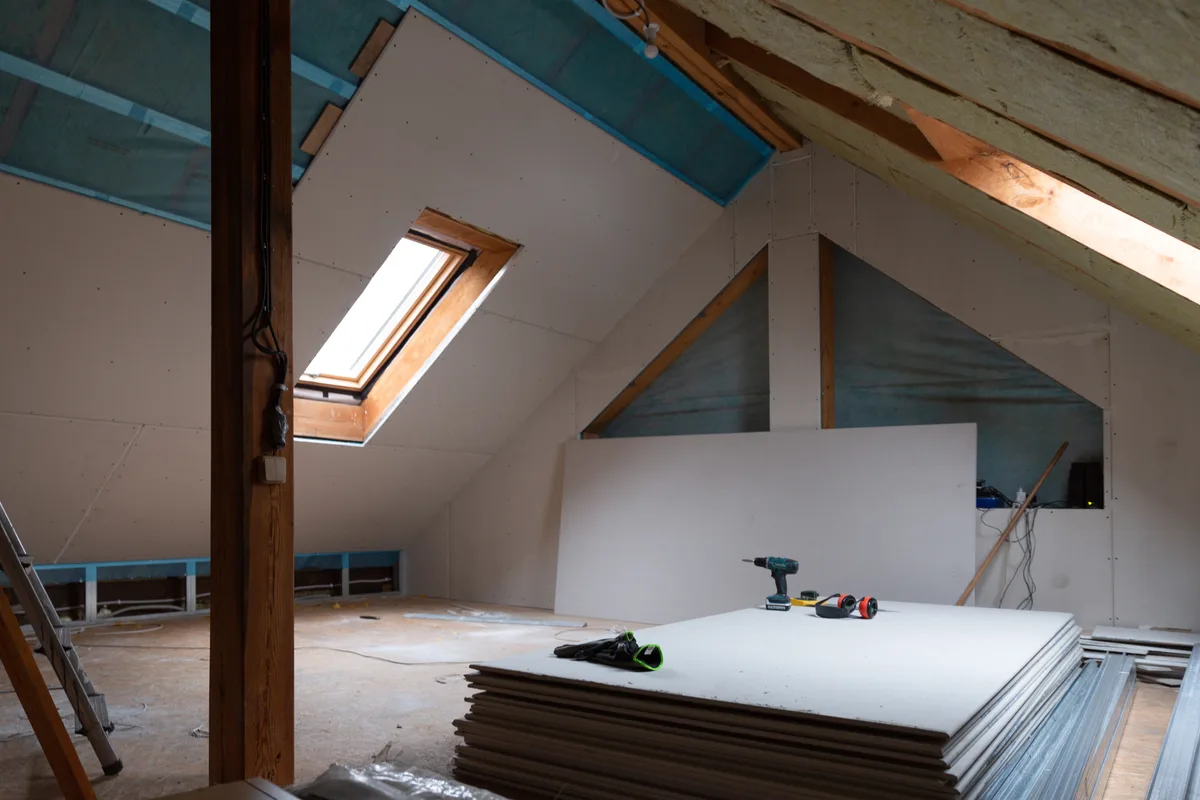
A flip is inventory, not an expense report
The biggest bookkeeping error flippers make is expensing renovation costs as they go, showing fake losses all year and a distorted profit at sale. Flipped houses are inventory: acquisition, renovation, and most holding costs accumulate in a work-in-progress asset per property, and hit the profit and loss only as cost of goods sold when the house closes. Both countries agree on the punchline — the IRS taxes flip profits as ordinary business income of a dealer, and the CRA treats flipping as fully taxable business income, not a half-taxed capital gain. No depreciation, no capital-gains treatment, no pretending.
Job costing per flip, coded like a builder
Each property gets its own project in the books — we typically use QuickBooks Online Projects with a trade-level cost code structure — so you can answer the only question that matters mid-flip: am I still on budget? Costs post against the code the estimate used:
- Acquisition — purchase price, closing costs, title, inspections, wholesaler fees.
- Hard costs by trade — demo, framing, roofing, electrical, plumbing, HVAC, finishes, landscaping.
- Soft and carry costs — loan interest and points, property taxes, insurance, utilities, permits during the hold.
- Selling costs — staging, commissions, seller concessions, recorded at sale.
Budget-versus-actual by code, refreshed weekly, is how a 12-week flip stays a 12-week flip. Receipts flow in through Dext from your phone at the job site, because a materials run that never gets photographed becomes a cost that never gets costed. Change orders get their own budget lines the day they are approved, so scope creep shows up in the numbers before it shows up at closing.
Draws, holdbacks, and lender reconciliation
Hard-money and private lenders fund flips through inspection-based draws, and the loan ledger goes wrong fast without discipline. We track the committed facility, each draw request against the draw schedule, the interest reserve as it burns down, and points and fees capitalized into the project. On the payables side, retainage withheld from contractors — commonly 5% to 10% until punch-list completion — sits as its own liability per contractor, released only when the work passes. Ontario builders know this as the holdback habit; US projects run on the same logic through contract retainage and lien waivers.
| Cost | Treatment in flip books |
|---|---|
| Purchase price and closing costs | Capitalized to project WIP |
| Renovation labour and materials | Capitalized to project WIP by trade code |
| Loan interest, property tax, insurance during the reno | Capitalized carry cost — Canada expressly capitalizes construction-period soft costs |
| Realtor commission and staging | Selling cost recognized at closing |
| Office, software, vehicle, your own time | Overhead expensed as incurred — never inflates a single project |
Contractor invoices are a paper trail, not just a cost
Every US subcontractor relationship starts with a W-9, because payments of USD 600 or more in a year generally require a 1099-NEC each January — and you cannot file it without the tax ID you forgot to collect in March. We match invoices to draw requests and lien waivers so nothing is paid twice through a change order, keep certificates of insurance on file, and flag the classification questions early. Canadians used to T5018 reporting for subcontractors will find the US mirror familiar in spirit and different in every detail — and cross-border crews raise their own issues, covered in our US house-flipping tax guide for Canadians.
WIP across projects, and across currencies
Run three flips at once and entity-level profit means nothing — the books must show WIP, budget position, and projected margin per project, plus which properties are consuming cash. A clean WIP schedule is also what your tax filings are built from: US federal and state returns need cost of goods sold per property sold, and the CRA needs the same profit restated in Canadian dollars for the T1 or T2.
For Canadians there is a second axis: you fund deals in CAD, spend in USD, and repatriate in CAD. We record capital you inject at the transaction-date exchange rate, keep project costs in USD, and measure the true CAD return per flip after currency movement — which is often meaningfully different from the USD margin the closing statement suggests. If you flip through a US entity, the books also track cross-entity funding cleanly, because sloppy intercompany balances are what turn a structuring question into an audit problem. The same portfolio discipline applies when your money is passive instead of active; see how we run books for syndication investors.
Source: IRS — About Form 1099-NEC, Nonemployee Compensation.
Common questions.
Why can I not deduct renovation costs in the year I pay them?
Because a flip house is inventory. Costs accumulate on the balance sheet as work in progress and become cost of goods sold when the property sells — in both the US and Canadian calculations.
Are my flip profits capital gains?
Almost never. The IRS treats dealer sales as ordinary business income and the CRA treats flipping as fully taxable business income. Books built on that assumption avoid an expensive reassessment later.
What should my books track for each lender draw?
The committed facility, each draw against the schedule, the interest reserve balance, capitalized points and fees, and the lien waivers and retainage tied to the work the draw funded.
Related reading
Every flip costed, every draw reconciled.
Book a consultation and get a plain answer on exactly what applies to you.