
Who We Help · Grocery Stores · Tax Services
Grocery store tax: the zero-rated basket, the taxable aisle, and your POS codes
A grocer's HST return is decided one SKU at a time: basic groceries are zero-rated, snack foods and prepared foods are taxable, and CRA audits the shelf, not your summary. Because most sales collect no tax while nearly every input does, a well-coded store often sits in a legitimate refund position — and refunds get reviewed. The tax work is keeping the codes right so the refunds keep flowing and the T2 stands up behind thin margins.
By the AnalytIQ Accounting team · Last reviewed: August 12, 2026
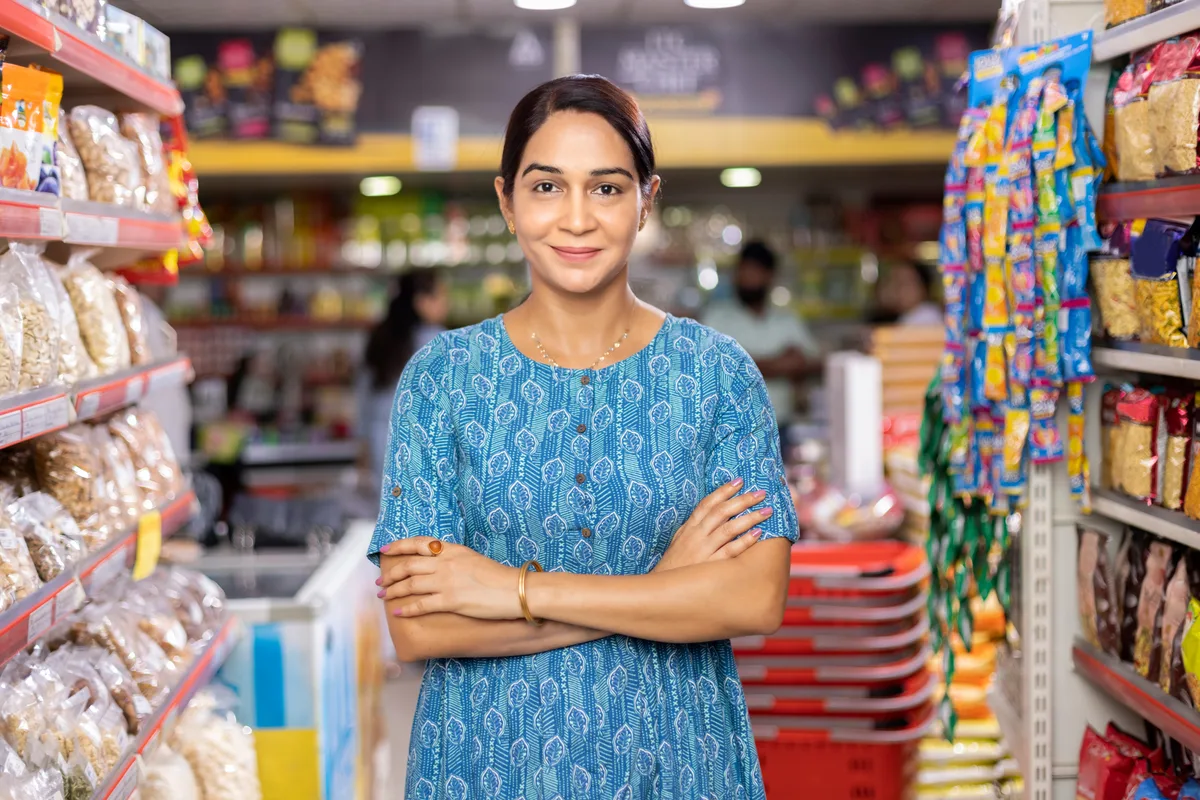
Zero-rated or taxable is a line-by-line law
Basic groceries — produce, meat, dairy, bread, eggs, staples like rice, flour, and lentils — are zero-rated: no HST at the till, full input tax credits behind the scenes. The taxable list is specific and unforgiving: carbonated drinks, candy and confectionery, chips and similar snack foods, dietary supplements, and food heated for consumption or sold prepared. Quantity can flip the answer — a single doughnut is taxable as a snack, a box of six or more is zero-rated as groceries. For the ethnic markets we work with across the GTA, imported staples are overwhelmingly zero-rated while imported confectionery and drinks are not, so classification discipline starts at receiving, when the new SKU gets its code. When classification is genuinely unclear — new import lines, novelty foods — CRA rulings exist for a reason, and asking beats guessing.
The same store, four different answers at the till
| Item | HST at the till (Ontario) | Why |
|---|---|---|
| Bag of rice, fresh produce, milk | 0% | Basic groceries are zero-rated |
| Carbonated soft drink, candy, chips | 13% | Excluded from the basic-grocery list |
| Hot rotisserie chicken | 13% | Heated for consumption is taxable |
| Prepared meal sold for $4.00 or less | 5% | Ontario point-of-sale rebate removes the provincial portion on qualifying prepared food |
Department defaults are the silent killer here — a taxable drink rung into a zero-rated grocery department sells tax-free all year, and the store, not the customer, eventually pays that 13%.
How a POS tax-code audit actually goes
CRA's method is practical: walk the aisles, sample SKUs, pull till receipts, and test whether the code charged matches the law — then extrapolate any error rate across the audit period. A handful of miscoded SKUs becomes an assessment for uncollected HST, paid out of your margin plus interest, on sales you can no longer recharge to customers. The defence is boring and effective: a documented tax-code review when SKUs are added, a periodic sweep of high-risk categories — drinks, snacks, hot counters, bakery quantities — and a mapping between POS departments and GST34 lines that we keep current. Clean codes also protect the other direction: a store whose returns are demonstrably built from accurate POS data gets its refund claims released instead of parked in review. Promo weeks deserve specific attention — a flyer price keyed in a hurry inherits whatever code the cashier picked, so our sweeps sample promotional periods on purpose.
Gift cards, platforms, and the other registers
A gift card sale is not a taxable supply — no HST when the card is issued, tax only at redemption, at whatever rate the redeemed basket carries — so cards sold need a liability account, not a revenue code. Delivery platforms add a second till: who accounts for the tax on an Instacart-style order depends on the platform's structure and settlement statements, so we map each platform's report once and post from that mapping every month. Catering trays and party platters are prepared food and taxable regardless of size, a seasonal trap for stores that cater the holidays. Each item is small alone; together they are the difference between a GST34 that reconciles and one that drifts a few hundred dollars every period until a reviewer asks why.
The T2 behind a thin-margin store
Grocery T2s live and die on gross margin credibility. Cash-heavy stores with margins below industry patterns invite net-worth style scrutiny, so the return needs support: year-end inventory counts that are real, spoilage and shrink logs that justify COGS, and family wages that are documented and reasonable for hours actually worked. Tobacco brings its own excise-laden inventory cost and age-restricted controls; lottery is commission income, not gross sales, and booking it wrong overstates revenue. Refrigeration and shelving depreciate in Class 8, leasehold improvements in Class 13, and the small business deduction rounds out the file. Instalments get the same care as the codes — grocery margins are thin but steady, so a sober forecast keeps quarterly amounts from overshooting the cash the store actually generates. Import costs from US produce and goods suppliers — duty, brokerage, FX — feed landed cost and live on our grocery cross-border tax page, while the daily POS-to-bank discipline underneath it all is on our grocery store bookkeeping page.
Source: CRA — GST/HST for businesses.
Common questions.
Why does my grocery store get HST refunds?
Because most of your sales are zero-rated basic groceries while your rent, refrigeration, utilities, and services all carry HST you recover as input tax credits. Net refund positions are normal for grocers — and routinely reviewed, which is why accurate POS coding matters.
Which foods are taxable at the till?
Carbonated drinks, candy, chips and similar snacks, dietary supplements, and food heated or prepared for consumption. Quantity rules apply too — a single doughnut is taxable while a box of six or more is zero-rated.
What happens if my POS tax codes are wrong?
CRA samples SKUs and receipts, then extrapolates the error rate across the audit period. The store pays the uncollected 13% out of margin, plus interest — so periodic code reviews are far cheaper than the assessment.
Related reading
Tax codes that match the shelf.
Book a consultation and get a plain answer on exactly what applies to you.