
Who We Help · Farming · CFO Advisory
Farm CFO services: plan the acres, the iron, and the handoff
A farm's defining financial decisions — crop mix, land, equipment, succession — arrive once a season or once a generation, so getting each one right matters more than any monthly report. We act as the fractional CFO for Ontario farm businesses: per-acre margin planning, buy-versus-rent land models, equipment cycles that ignore December tax folklore, and a succession plan that starts years before any papers are signed.
By the AnalytIQ Accounting team · Last reviewed: August 12, 2026
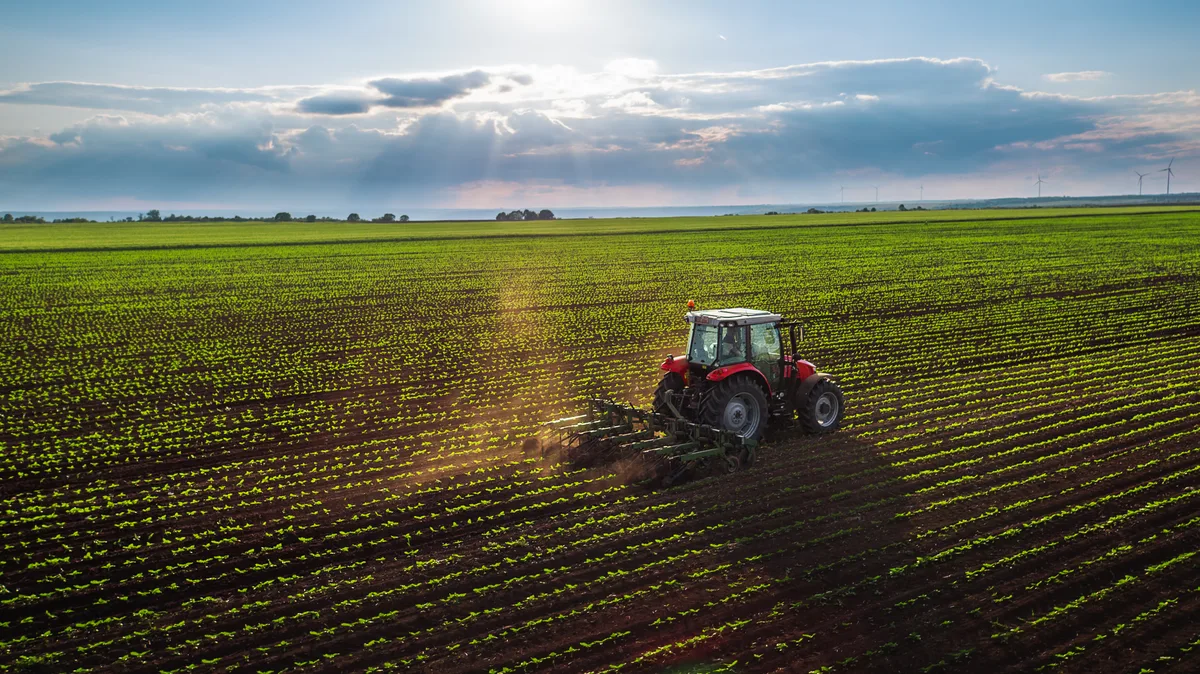
CFO work on a farm runs by seasons, not quarters
The biggest financial decisions on a farm — what to plant, whether to buy the neighbour's land, when to replace the combine, how the next generation takes over — each come around once a year or once a generation, and they deserve better analysis than a kitchen-table guess under deadline. Our fractional CFO work for Ontario farm businesses puts numbers under each one: contribution margin per acre by crop, a land model, an equipment plan inside the cash forecast, and a succession runway measured in years. Farm accounting has quirks the analysis must respect — cash-basis reporting, inventory adjustments, AgriStability reference margins — so the CFO layer sits on books built for farming, like our farm bookkeeping service.
Crop mix: margin per acre, not bushels per acre
Yield wins coffee-shop bragging rights; contribution margin per acre pays the bills. For each crop we build the walk — expected yield times expected price, including what is already forward-contracted, minus seed, fertilizer, chemicals, fuel, drying, trucking, and crop insurance premiums — down to a per-acre contribution that makes rotation choices comparable. Agronomy still rules the rotation; within it, there is usually more room to move than habit admits. The same worksheet powers marketing: knowing your break-even per bushel turns forward pricing from a gamble into a margin decision, and it feeds AgriStability expectations rather than leaving the program as a black box that pays or does not.
Input prepays add a wrinkle. Buying next spring's fertilizer in December is a legitimate cash-basis tax tool, but it should be a pricing decision first and a tax decision second — we model both sides before the cheque is written.
Land: the buy-versus-rent decision that shapes everything else
Land is where farm operating economics and farm wealth part company: rented acres usually beat owned acres on annual operating margin, while owned acres build the equity, borrowing base, and security no lease can. The real question is how much ownership the operation can carry at once:
| Question | Renting acres | Buying acres |
|---|---|---|
| Cash demanded | Annual rent out of operating cash | Down payment plus decades of debt service |
| Operating margin | Usually stronger per acre | Often thin after debt service in the early years |
| Flexibility | Acres can be shed in a bad stretch | Illiquid; selling is slow and usually final |
| Wealth and security | Builds none; rent can rise or vanish at renewal | Builds equity, borrowing power, and certainty |
| Succession | Nothing to hand down | Qualified farmland can roll to the next generation and use the capital gains exemption |
The honest model prices the whole package: realistic debt service against realistic margins, the equity being built either way, and the quiet risk of losing rented land you have spent years improving. Most strong farms carry a deliberate blend of both — and revisit the blend every time land trades locally.
Equipment: replace on a cycle, not on a deduction
The classic December mistake is buying iron for the write-off. Capital cost allowance only defers tax, the deduction arrives more slowly than the loan payments leave, and a machine bought for tax reasons still has to earn its keep in the field. We plan replacement on a cycle instead — each machine's reliability window and resale curve matched against the operation's real hours — and test the alternatives honestly: keep and repair, trade, buy used, or hire custom work for operations that do not justify owning the machine at your acreage. The equipment plan lives inside the cash forecast, so the combine trade lands in a year that can afford it rather than the year the dealer calls.
Succession: a decade-long project, not a document
Canadian tax law is unusually generous to farm succession — qualified farm property can roll to children at cost, and the lifetime capital gains exemption shelters up to $1.25 million per person on qualifying farm property — but every one of those words carries tests that are easy to fail by accident. Renting the land out for too long, letting non-farm investments build up inside the corporation, or leaving title messy can disqualify property that spent a generation qualifying. CFO-level succession work starts years out: confirming each property's status, choosing structure — partnership, corporation, estate freeze — to fit the family's actual plan, and building the runway where the next generation earns management before ownership. The filing mechanics live with our farm tax team; farms selling commodities into the US or holding US farmland add a layer we cover on the farm cross-border page.
Common questions.
Do you work with cash-basis farm books?
Yes. Cash-basis reporting is standard for farms and we keep it for tax — but for decisions we adjust to a true margin view, so inventory swings and prepaid inputs do not disguise how the operation actually performed.
When should succession planning start?
Five to ten years before the intended handoff. The rollover and the capital gains exemption both depend on history — how property was used and who used it — and history can only be built ahead of time.
Can you help us decide on a farm coming up for sale nearby?
Yes, and quickly. We model debt service against realistic per-acre margins, the financing structure, and the succession implications, so the family decides with numbers while the window is open.
Related reading
A sharper plan before the next season.
Book a consultation and get a plain answer on exactly what applies to you.