
Who We Help · Excavation Contractors · Bookkeeping
Excavation contractor bookkeeping: what does that machine really cost per hour?
In excavation the machines are the business, so the books should answer one question before any other: what each excavator, dozer, and truck costs per metered hour, all-in. From that number flows everything else — what to charge, which jobs to take, when to replace iron — and around it we build per-job fuel and maintenance tracking, progress billing with a real WIP schedule, and holdbacks kept where you can see them.
By the AnalytIQ Accounting team · Last reviewed: August 12, 2026
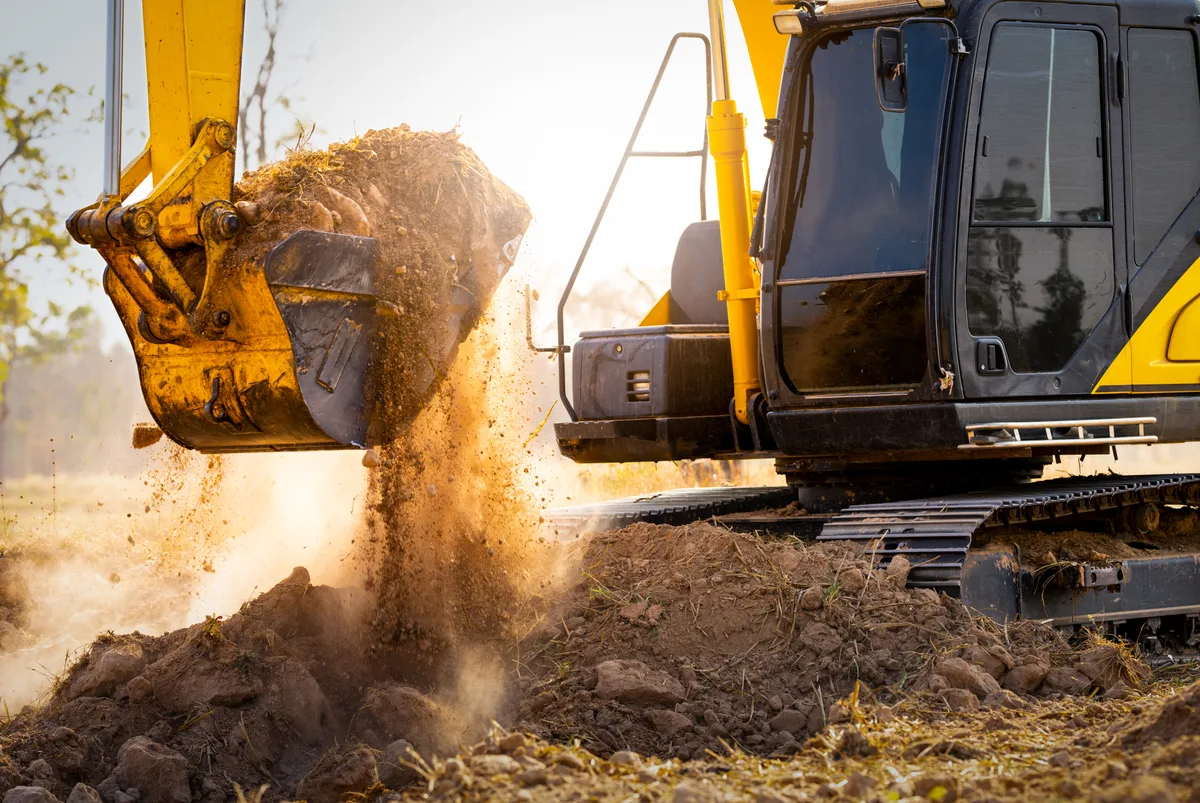
Every machine gets its own ledger
We run each significant unit as a profit centre: its fuel, parts, repairs, insurance, financing interest, and depreciation collected against its hour-meter readings, logged monthly. Divide owning-plus-operating cost by metered hours and you have the machine's true hourly cost — the number that tells you whether the rate you quote covers the iron doing the work. Most heavy, power-operated movable equipment sits in CCA Class 38 at 30 percent declining balance, and we keep tax depreciation running per unit so disposals and trade-ins settle cleanly.
| Machine cost component | Where the number comes from | Where it lands in the books |
|---|---|---|
| Fuel | Cardlock and site-tank fill logs per unit | Operating cost by machine, allocated to jobs by hours |
| Wear parts and maintenance | Parts invoices and shop time by unit | Per-unit repairs ledger — the replacement-decision file |
| Insurance and licensing | Policy schedules per unit | Owning cost, spread monthly |
| Financing interest | Loan and lease amortization schedules | Interest split from principal, tied to the unit |
| Depreciation | CCA schedule per unit | Owning cost; Class 38 for most heavy iron |
| Float and mobilization | Float invoices or internal truck time | Charged to the job that moved the machine |
The per-unit repairs ledger earns its keep at replacement time: when undercarriage work and hydraulic repairs on an aging excavator start rivalling the payments on a newer one, the decision is already made in the numbers.
Fuel and maintenance are job costs, not overhead
Diesel is one of the biggest operating lines in excavation, and it only means something when it is tied to a machine and a job. Fill logs from the site tank or cardlock record which unit took the fuel; hour meters say which job the unit was on. Off-road equipment can typically run coloured diesel, which does not carry Ontario road tax — so coloured and clear fuel purchases stay coded separately, and a truck fuelled from the wrong tank never becomes an audit story.
Maintenance splits the same way. Ground-engaging tools — teeth, cutting edges, bucket wear plates — are consumables that burn with the ground conditions, so they get costed to the machine and, through its hours, to the job that chewed them up. A job in rock that eats a set of teeth every week is a different job than the bid assumed, and the books should say so before the next rock bid goes out.
Progress billing needs a WIP schedule behind it
Excavation jobs bill as they progress — mobilization, then draws against work performed — and the monthly close has to compare billings to actual completion on every open job. Underbillings are earned work you have not invoiced, which is your working capital sitting in someone else's project; overbillings are cash you have collected but not yet earned, which is next month's work already spent. A simple WIP schedule showing both, job by job, is the single most valuable report an excavation contractor can get monthly.
Holdbacks ride along on most contracts: Ontario's Construction Act 10 percent retention sits in its own holdback receivable account, aged by expected release, with the HST on it deferred until release under the Excise Tax Act's timing rule. Mobilization and float charges are billed as line items, not absorbed — moving a 30-tonne machine across the GTA is a real cost that belongs on the invoice.
Financing, T5018, HST, and the close
Heavy iron is almost always financed, so the books keep principal and interest split per unit, watch balloon payments before they arrive, and track how loan balances compare to machine values — the equity in the fleet is often the company's real balance sheet. Big equipment purchases also produce big input tax credits, so the GST34 in a purchase month deserves attention: filed promptly, it can return a meaningful refund while the first loan payments are drawing down cash.
Hired dump-truck haulers paid per load are subcontractors, which means T5018 slips annually and WSIB clearance checks before payment. The rest is rhythm: hour-meter and fill logs in, receipts through Dext into QuickBooks Online, WIP and per-machine reports out — the close we describe on our bookkeeping services page. And when the next machine comes off a US auction block, the duty, GST at the border, and financing mechanics are covered in our cross-border tax guide for excavation contractors.
Common questions.
How do we work out what a machine really costs per hour?
Collect its owning costs (depreciation, insurance, financing interest) and operating costs (fuel, wear parts, repairs) against monthly hour-meter readings, then divide. That all-in hourly figure is what your quoted rate has to clear.
What does a WIP schedule tell an excavation contractor?
Job by job, whether you have billed ahead of or behind the work actually performed. Underbillings are earned cash you have not collected; overbillings are collected cash you have not earned — both change what the bank balance really means.
Are payments to hired dump-truck haulers reported on T5018s?
Yes — when construction is your primary business income, per-load payments to hauling subcontractors go on annual T5018 slips, and we check WSIB clearances before those subs are paid.
Related reading
Every machine earning its keep.
Book a consultation and get a plain answer on exactly what applies to you.