
Who We Help · Custom Home Builders · Incorporation
Incorporating a home building business: the licence, the land, and what stays personal
Most builders should incorporate, and should do it before the first spec lot rather than after. The reasons are liability and tax deferral, but the details are builder-specific: the corporation, not you, will hold the HCRA licence and enrol homes with Tarion; land you already own as inventory cannot be rolled in tax-free; and the Construction Act's trust rules reach directors personally regardless of the letterhead. We set up the structure with those three facts on the table.
By the AnalytIQ Accounting team · Last reviewed: August 12, 2026
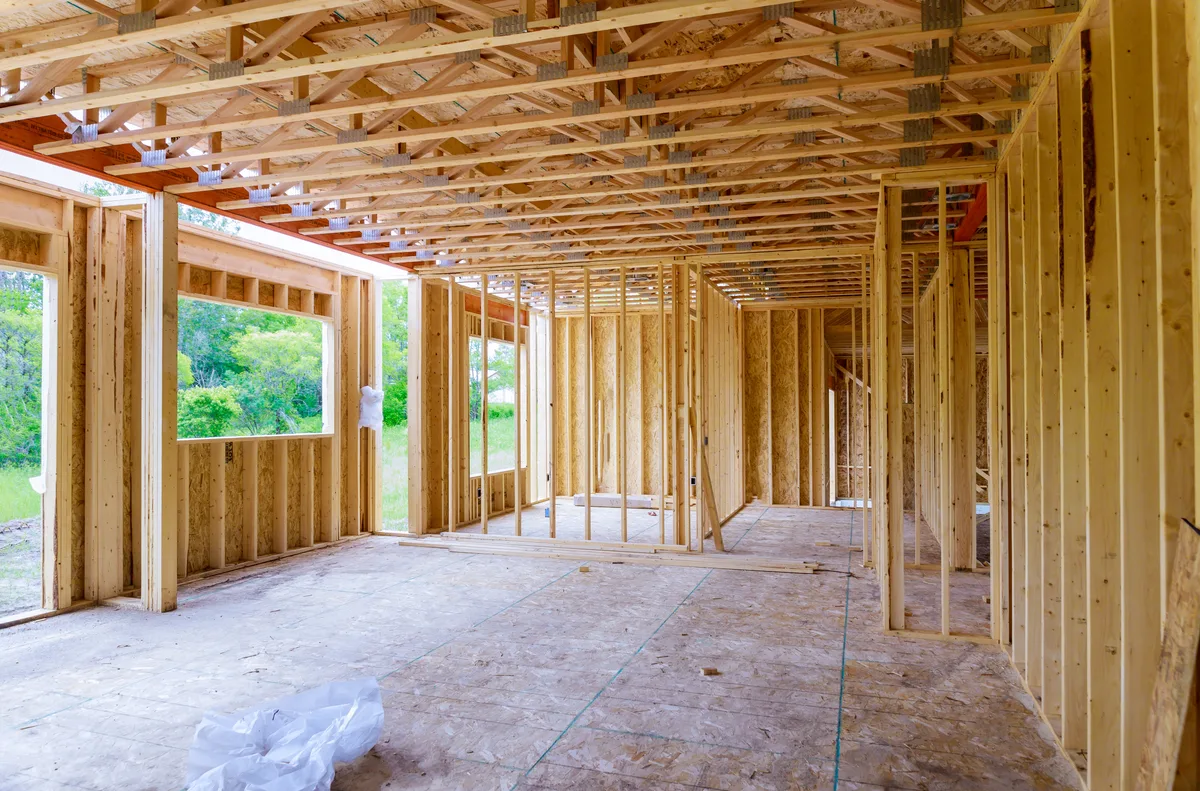
Incorporate before the licence, because the licence is not transferable
In Ontario, the entity that builds or sells a new home must be licensed by the Home Construction Regulatory Authority and must enrol each home with Tarion before construction starts. The licence attaches to the legal person doing the building, so a sole proprietor who incorporates mid-stream is applying fresh in the corporation's name, with the principals' history and conduct examined as part of that application. Doing it in the right order — incorporate, then license, then enrol the first home — avoids a stretch where the contract is with one entity and the licence sits with another.
HST registration follows the same logic. A builder is a registrant in substance from the first taxable sale of a new home, and the small-supplier threshold offers no shelter for sales of real property, so the corporation registers on day one and claims input tax credits on the first lot's costs rather than losing them to a late registration.
What the corporation shields, and what it does not
A corporation stands between you and most contract and creditor claims: a buyer's lawsuit over a defect after the warranty has run, a supplier dispute, a sub's claim on a job that lost money. That protection is worth having in a business where every project is a seven-figure contract. It does not, however, cover everything a builder worries about.
- Construction Act trust funds. Directors and officers who assent to a breach of trust — spending one project's money on another — are personally liable under the Act, corporation or not.
- Source deductions and HST. Directors are personally liable for payroll remittances and net HST the corporation fails to send to CRA, subject to a due-diligence defence.
- Personal guarantees. Construction lenders, and often the lumber yard, will want your signature beside the corporation's.
- Warranty obligations. Tarion's statutory warranty follows the licensed builder, and the HCRA considers the conduct of the principals behind any corporation that applies again.
- WSIB. Executive officers in construction are covered persons unless the single non-working-officer exemption applies.
Land already in your name: the section 85 catch
Section 85 lets most business assets move into a corporation on a tax-deferred basis, but real property held as inventory is specifically excluded from eligible property. A builder who bought two lots personally intending to build and sell cannot roll them into the new corporation without recognizing whatever gain has built up since purchase. If the lots were bought recently at close to today's value, the gain is small and a straightforward sale to the corporation at fair market value works, with Ontario land transfer tax on the transfer priced in. If the land has appreciated, the choices are to build that project personally and start the corporation with the next lot, or to accept the tax now for a clean structure. What a section 85 rollover does covers the general mechanism and its limits.
| Structure | Good for | Watch for |
|---|---|---|
| Single building corporation | A first-time or small-volume builder | All warranty tail and all profit in one entity |
| Building corporation plus holding company | Builders retaining profit year over year | Move retained earnings up by dividend so they sit away from project claims |
| One corporation per spec project | Higher-volume spec builders isolating each build | Associated corporations share one small business deduction; each needs its own licence |
| Land company plus building company | Builders who assemble lots ahead of construction | Related-party transfers at fair market value, land transfer tax, HST self-assessment |
A holding company earns its keep once the building company consistently retains profit; whether to set up a holding company explains the trade-offs, which for builders come down to keeping accumulated equity away from a bad lot.
Day one compliance for a builder corporation
The set-up list is longer for a builder than for most small businesses, and each item has a natural order. Articles filed provincially or federally, with share classes that leave room for a spouse or a future partner; a minute book and a shareholders' agreement if there is more than one owner; CRA program accounts for corporate tax, HST and payroll; WSIB registration for the corporation and its executive officers; the HCRA licence application; and Tarion registration before the first enrolment. The corporation also opens the bank account that will hold Construction Act trust funds in its own name, arranges builder's risk and liability insurance as the named insured, and picks the reporting period for T5018 slips and the fiscal year-end that fits its closing season.
We quote the incorporation and first-year compliance as one fixed fee after a discovery call, and stay on for the T2, HST and payroll filings once the first lot breaks ground. Builders with US-citizen shareholders should read our cross-border guide for custom home builders before choosing share classes; the general service is on our incorporation and compliance page.
Source: Home Construction Regulatory Authority — builder licensing.
Common questions.
Can I transfer my existing HCRA licence to my new corporation?
No. The licence belongs to the person or entity that holds it, so the corporation applies on its own, with the principals disclosed. We time the incorporation so the corporation is licensed before it signs its first contract.
Can I roll the lots I already own into the corporation tax-free?
Not under section 85, which excludes real property held as inventory. The options are a sale to the corporation at fair market value, building that project personally, or starting the corporation with the next lot.
Does incorporating protect me if project money gets mixed up?
No. The Construction Act makes directors and officers personally liable when they assent to a breach of trust, so the corporation must keep trust funds traceable by project regardless of structure.
Related reading
A builder corporation set up in the right order.
Book a consultation and get a plain answer on exactly what applies to you.