
Who We Help · Custom Home Builders · CFO Services
Custom home builder CFO services: know the cost-to-complete before the lender's inspector does
A builder can make money on every lot and still run dry halfway through a build. Costs run ahead of draws, ten percent of each draw sits in holdback until the lien period clears, and spec land eats interest while it waits for a buyer. Fractional CFO work for builders means seeing that curve in advance — per lot, per draw, per season — and deciding on the next spec with numbers instead of nerve.
By the AnalytIQ Accounting team · Last reviewed: August 12, 2026
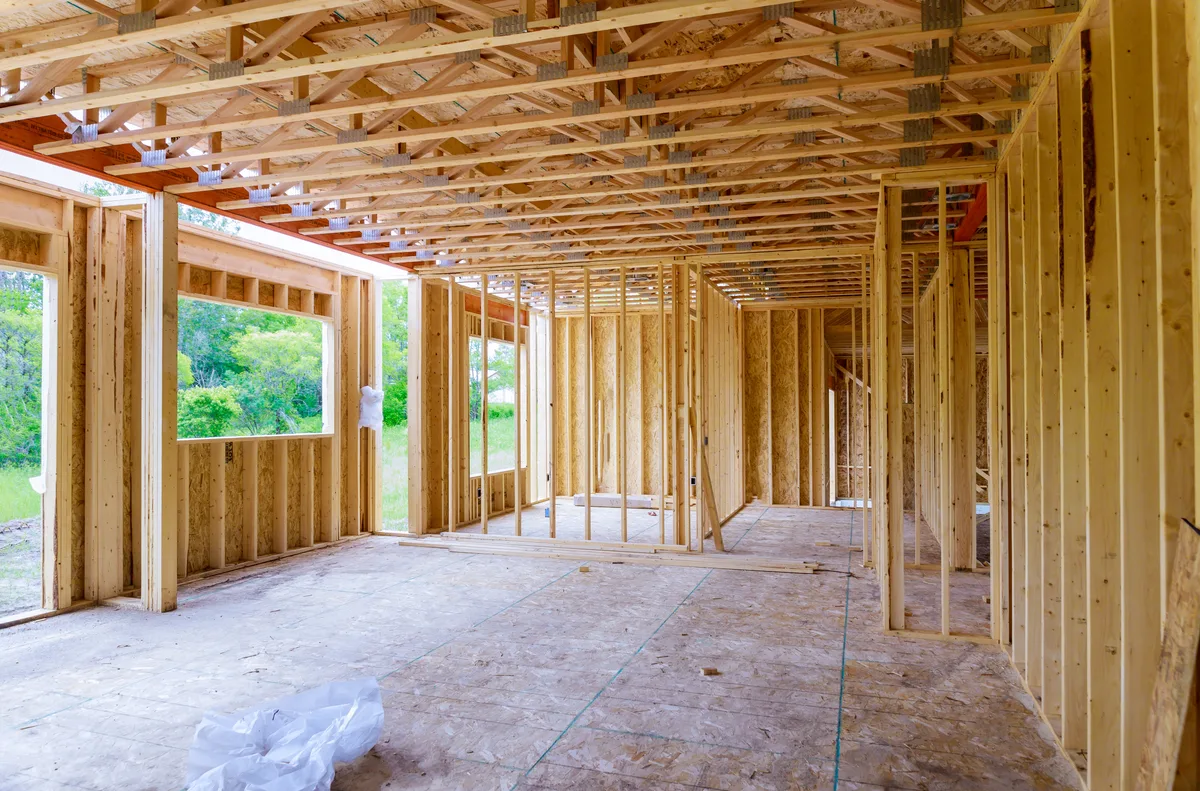
The cash curve of a build is front-loaded and back-ended
On a custom contract the money arrives in a fixed pattern: a deposit, then draws released by the client's lender when its inspector agrees a stage is complete, each one short by the ten percent statutory holdback, and finally the holdback itself sixty days after the certificate of substantial performance is published. Your costs do not wait for any of that. Excavation, footings and framing are paid within weeks, subs must be paid within seven days of you being paid under the prompt-payment rules, and the lumber package is invoiced long before the framing draw lands. On a spec build you replace the client's lender with your own and add land carry to the front of the curve.
We build a rolling 13-week cash forecast by lot that lays the draw schedule against committed costs and sub payment dates, so the week the operating line will be touched is visible a quarter ahead. How to build a 13-week cash flow forecast shows the general method; for a builder, the rows are lots and the columns are draws.
Cost-to-complete is the only number that predicts margin
Estimated margin at contract signing is a hope; margin at closing is history. The number in between is the cost-to-complete: committed purchase orders plus what remains to be bought, compared to the budget and to what has been billed. Buildertrend or a similar platform carries the budget, but someone has to review it monthly against the general ledger and ask why framing came in over, whether the cabinetry selection exceeded the allowance, and whether that overrun was written up as a change order or quietly absorbed. Unbilled change orders are the most common margin leak in custom building, and they stay invisible until the WIP schedule puts cost beside revenue.
Material prices have moved sharply in recent years, and a fixed-price contract signed before a lumber or steel swing carries that exposure until closing. Escalation clauses, allowances stated in dollars rather than in product, and shorter validity windows on quotes are the commercial answers; the finance answer is to re-forecast every open lot when a major input moves, so the conversation with the client happens before the invoice arrives.
| Metric | How we measure it | Why it matters to a builder |
|---|---|---|
| Gross margin per closed lot | Contract price plus change orders, less all job costs including land carry | The only margin figure that includes everything |
| Unbilled change orders | Approved scope changes not yet invoiced | Cash and margin you have earned but not collected |
| Draw lag | Days between a cost being incurred and the draw that funds it | Sizes the operating line you actually need |
| Holdback outstanding | Holdback receivable as a share of total receivables | Money you have financed for someone else |
| Lot-to-occupancy days | Permit issued to occupancy permit | Carry cost and crew capacity in one number |
| Spec carry per month | Interest, property tax and insurance on unsold inventory | The price of waiting for a better offer |
Spec decisions: land, carry and the rent-it-out trap
Whether to buy the next lot is a question about carry and timing, not just about price. We model the purchase with a realistic build duration, the construction loan interest, property taxes and insurance through to an expected closing date, and the sales price range in that neighbourhood, then stress it for a slower market. When a finished spec sits, the instinct is to rent it rather than cut the price; the HST self-supply rule turns that into a deemed sale at fair market value with tax due immediately, and it raises the question of how the eventual sale will be characterized. That decision needs a side-by-side before a lease is signed, and our builder tax services page explains the mechanics.
A builder with profitable closings and an empty bank account usually has one of three problems: too much holdback outstanding, too much spec inventory for the equity behind it, or owner draws that outran retained profit. Why a profitable business is always short on cash describes the general pattern; in building, the fix is usually fewer lots at once.
Lenders, Tarion and the HCRA all read your balance sheet
Three outside parties judge a builder by its financial statements. The construction lender wants covenants met and often a review engagement rather than a compilation. Tarion can require security — typically a letter of credit or cash — from builders whose history or volume it considers higher risk, and that requirement is easier to negotiate with clean statements and a documented warranty record. The HCRA considers financial responsibility when a licence is granted and renewed. We prepare the year-end package with those three readers in mind and keep interim statements close enough to year-end quality that a mid-year request does not become a scramble.
Month to month, the engagement is a closed set of books, an updated WIP schedule and cash forecast, a review of every open lot's cost-to-complete, and a quarterly conversation about land and pricing, at a fixed fee set after a discovery call. Builders with USD material exposure or US-citizen clients add the questions covered in our cross-border guide for custom home builders; the general engagement is described on our advisory and CFO services page.
Common questions.
How much operating line does a custom builder need?
Enough to cover the gap between when costs are incurred and when draws are funded, plus the holdback you carry until each lien period clears. We size it from the 13-week forecast by lot rather than from a rule of thumb.
Should I rent out a spec home that is not selling?
Only after modelling it. Renting triggers the HST self-supply rule, with tax due on fair market value at first occupancy, and it changes how the eventual sale is characterized. Often a price adjustment costs less than the tax and the carry combined.
Do I need a review engagement or is a compilation enough?
It depends on who is reading. Many construction lenders require a review, and Tarion or the HCRA may ask for statements as well. We match the level of assurance to the parties who will rely on it.
Related reading
A finance seat that reads the draw schedule.
Book a consultation and get a plain answer on exactly what applies to you.