
Who We Help · Places of Worship · Bookkeeping
Church bookkeeping: from the Sunday count to clean designated funds
A congregation’s books run on trust, and trust is a control system: two unrelated counters after the service, a count sheet that matches the deposit, giving records that reconcile to revenue, and designated funds spent only on what the donor named. Because nearly every church, gurdwara, temple, and mosque is a registered charity, the same ledger also has to produce official donation receipts and a T3010. We build books that do all of that without demanding a full-time bookkeeper the congregation does not have.
By the AnalytIQ Accounting team · Last reviewed: August 12, 2026
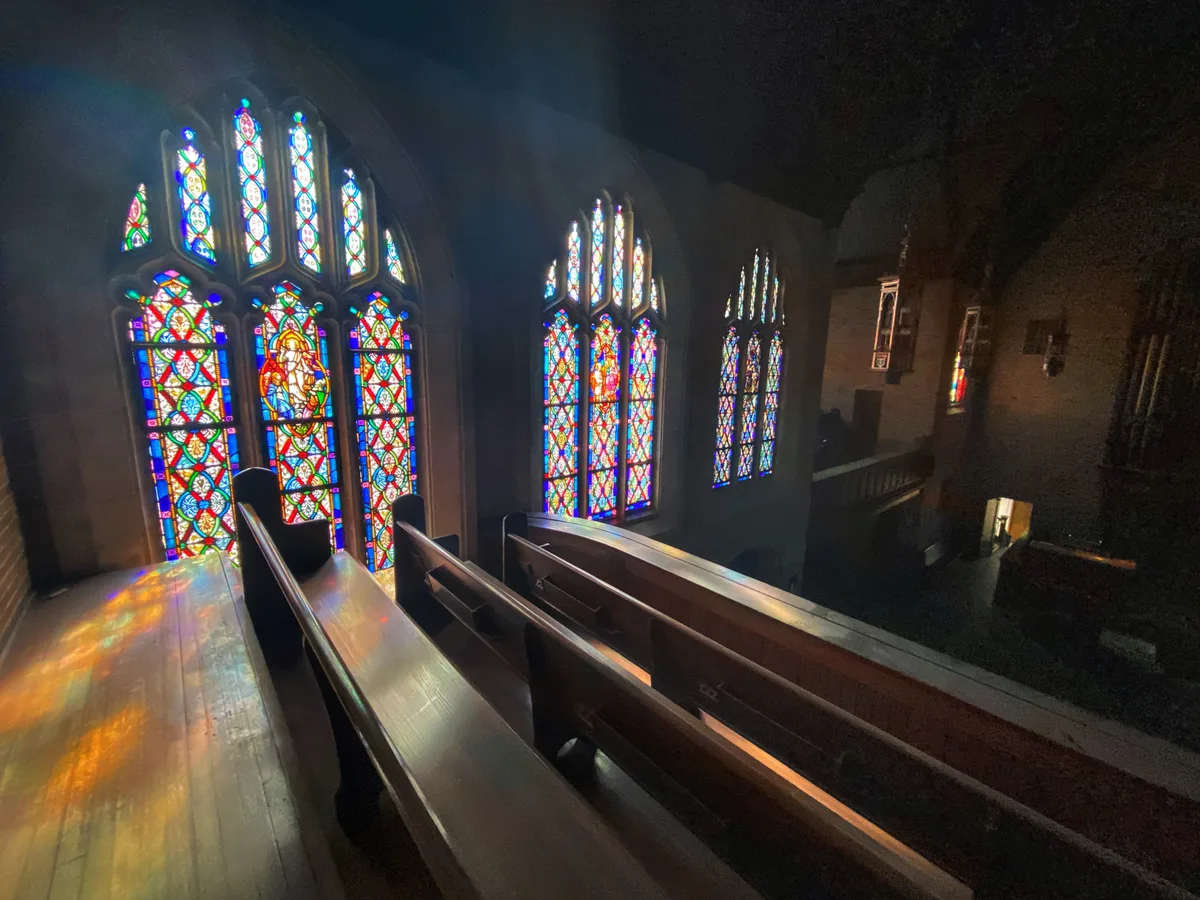
The offering count is the control everything else stands on
Cash and envelope offerings are the highest-risk transactions a place of worship handles, and the fix is procedural, not technological. Two unrelated counters — rotated, and never the bookkeeper or treasurer — count together immediately after the service, record envelope numbers and loose cash on a count sheet, and both sign it. The deposit goes to the bank intact, with nothing paid out of the plate first, and the bookkeeper's only job is to match deposit to count sheet to donor records. When those three agree every week, year-end receipts are trustworthy and no volunteer ever sits under suspicion.
Envelope numbers matter more than they look: they are the link between an anonymous-looking pile of cash and a named donor's annual receipt. We reconcile the envelope detail into the giving records weekly, so February receipting is a report, not an archaeology project.
E-giving is now the bigger half — record it gross
Most congregations we see collect more through pre-authorized remittance, Interac e-Transfer, Tithe.ly, PushPay, and CanadaHelps than through the plate. Every platform deposits net of processing fees, and that is where church books quietly go wrong: the donor gave $100, the bank shows $97.20, and the receipt must say $100. We book the gross gift and a separate fee expense, reconcile each platform's payout report to the bank monthly, and fold platform giving into the same donor records as the envelopes so each donor gets one receipt covering everything.
Watch for double-receipting: CanadaHelps issues its own official receipts for gifts made through it, so those donations must be flagged in your records as already receipted.
Designated funds: the donor decides, the ledger remembers
When someone gives to the building fund, that money is not the general fund's to borrow. Donor-designated gifts carry a trust-like obligation — a congregation cannot quietly redirect a roof appeal to cover the hydro bill, and unwinding a designation after a project dies is genuinely hard. The books have to keep each fund's balance visible and current, and they also have to distinguish donor designations from board designations, which are internal and reversible:
| Fund | Who restricted it | What the books must show |
|---|---|---|
| General / operating | No one | Budget vs actual the board can act on monthly |
| Building fund | Donors | Running balance, spent only on the named project, carried forward until done |
| Missions / outreach abroad | Donors | A qualifying-disbursement or own-activities paper trail for money leaving Canada |
| Benevolence | Board policy | Written criteria and approvals, so help to individuals is not private benefit |
One caution the CRA takes seriously: a gift the donor directs to a specific person — a named family, a particular student — is not receiptable. Designation works at the level of a fund or program, never an individual.
Clergy residence flows through payroll and lands in the books
The clergy residence deduction (Form T1223, with the employer certifying the role) shapes both the T4 and the ledger. If the congregation owns a manse or parsonage, the value of the accommodation and utilities is a taxable benefit that has to be valued and reported — the deduction then offsets it on the cleric's return. If you pay a housing allowance instead, it is taxable pay tracked as its own line. Either way, the books need a clean, consistent number, because an unvalued manse is one of the most common findings when a place of worship gets reviewed. The withholding mechanics, benefit valuation, and T4 boxes live on our church payroll page.
The charity layer: T3010, receipts, and HST you can partly recover
As a registered charity, the congregation files a T3010 within six months of year-end, issues official donation receipts carrying every CRA-required element, and — this one is chronically missed — can claim the public service bodies' rebate: 50% of the federal part and 82% of the Ontario provincial part of the HST paid on utilities, repairs, snow clearing, and supplies, even without being GST/HST registered. On a building-heavy budget that rebate is real money, and we track the recoverable portion on every bill so the semi-annual claim files itself.
Money sent to affiliated congregations, missions, or denominational bodies outside Canada needs a qualifying-disbursement or direction-and-control trail, and funding that flows to or from the US adds a second layer — see our cross-border tax page for places of worship. For how the monthly close itself runs — bank feeds, receipt capture, reports the board actually reads — see our bookkeeping services.
Common questions.
Who should count the Sunday offering?
Two unrelated volunteers, rotated regularly, and never the treasurer or bookkeeper. Both sign a count sheet, the deposit goes to the bank intact, and the bookkeeper matches count sheet to deposit to donor records — that loop protects the money and the volunteers.
Can we redirect the building fund to operating costs?
Not unilaterally — donor-designated gifts must be spent on what the donor named. If a project is cancelled, the options are narrow and usually involve going back to donors, so we keep every designated fund’s balance visible to prevent accidental borrowing.
Does a church get any HST back?
Yes — as a registered charity it can claim the public service bodies’ rebate of 50% of the federal part and 82% of the Ontario part of HST paid on expenses, even without GST/HST registration. On utilities and building repairs, that adds up quickly.
Related reading
Stewardship your congregation can verify.
Book a consultation and get a plain answer on exactly what applies to you.