
Who We Help · Bike & Sporting Goods Shops · Payroll
Bike shop payroll: hiring two surges, paying mechanics, and the ROEs in between
A bike and sporting goods shop hires up twice a year — spring for the bike rush, late fall for ski and skate season — and lets go of much of that staff when each rush ends. The payroll that survives this pattern treats mechanics and sales commissions as their own categories, files the Record of Employment on time at every seasonal drop, and gives the owner a real salary instead of whatever the till allows during the two busy stretches.
By the AnalytIQ Accounting team · Last reviewed: August 12, 2026
Hiring for two rushes instead of one steady team
Most shops carry a small core team year-round and bring on seasonal staff twice: extra hands for spring bike assembly and fittings, then a separate group for the ski and skate counter once winter gear arrives. Treating both hires the same way as a single ongoing team causes two problems — payroll costs that look flat when they are actually two short spikes, and staff who are quietly kept on the books through the slow shoulder months out of habit rather than need. We set up seasonal pay schedules that turn on and off with the department, so the spring assembly crew and the winter fitting staff show up as their own labour lines rather than blending into one annual average.
Mechanics are paid hourly, not by the repair
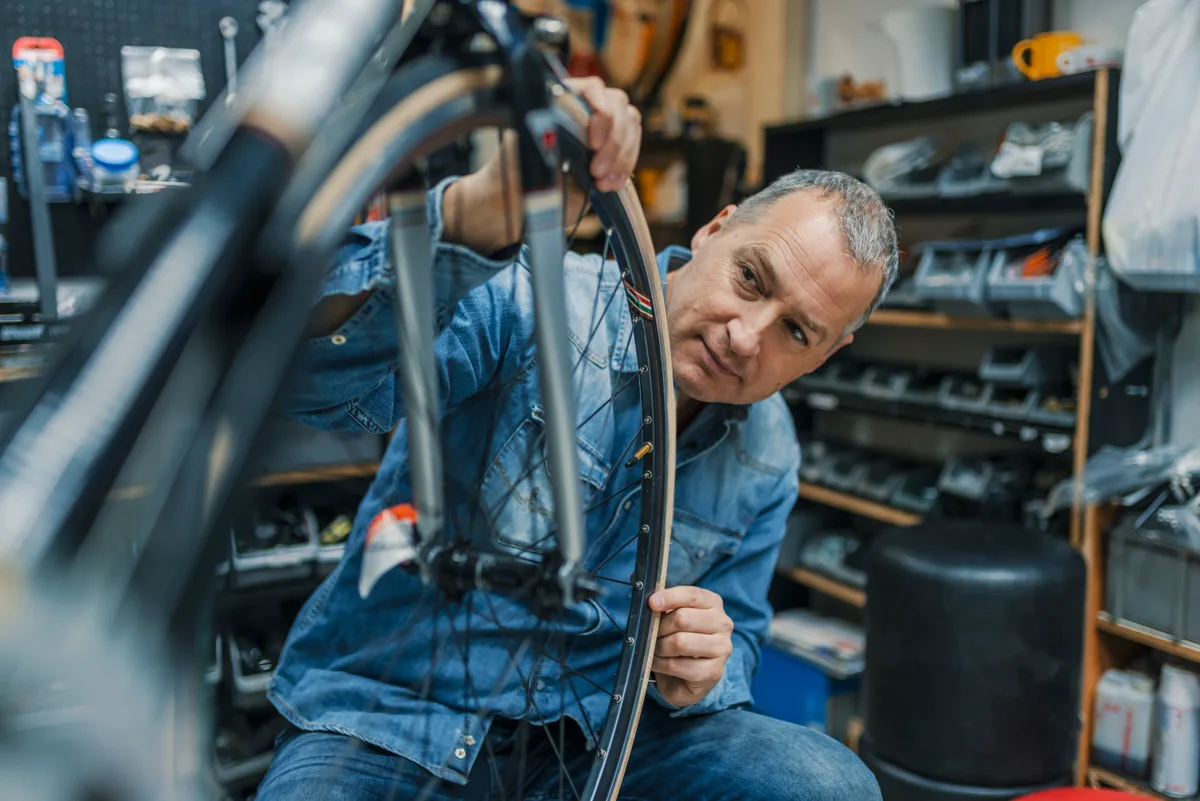
Paying a mechanic a flat piece rate per repair looks efficient but usually fails the Ontario employment standards test for a genuine incentive arrangement, because most shop mechanics remain employees under the shop's direction rather than independent tradespeople setting their own terms. The safer and more common structure is an hourly wage, sometimes with a bonus tied to total shop labour billed in a busy month rather than to any single job — that keeps minimum wage and overtime rules clean and avoids a mechanic's slow week becoming a wage shortfall. Apprentice or junior mechanics brought on for the spring rush should be tracked as trainees with a documented ramp in duties, both for wage-subsidy eligibility questions and for a clear record if a WSIB claim ever needs one.
Commission on the sales floor, done without drama
Sales staff who work on commission or a spiff structure for higher-ticket bikes and gear still need to clear at least the general minimum wage for every hour worked, with the commission topping up rather than replacing that floor — Ontario's employment standards test this on total earnings divided by hours, not on the commission cheque alone. Vendor-funded spiffs, where a brand pays a bonus directly to staff for pushing a particular model, are taxable employment income and belong on the T4 through the employer's payroll, not handed over as an untracked cash bonus at the register.
| Role | Typical pay structure | What to watch |
|---|---|---|
| Seasonal sales staff | Hourly, sometimes with vendor spiffs | Spiffs run through payroll and taxed, not handed out in cash |
| Mechanics | Hourly wage, optional shop-wide bonus | Piece-rate-per-repair rarely meets employment standards cleanly |
| Owner-operator | Fixed salary or salary plus dividend | Living off the till during the two rushes leaves nothing for the lean months |
ROEs at the end of every rush
A shop that hires ten people for spring and lets eight go by July is filing eight Records of Employment on a predictable schedule, and the same pattern repeats when the winter counter closes down after the holidays. Building ROE issuance into the seasonal close-out — rather than treating it as paperwork someone gets to eventually — keeps former staff able to claim benefits promptly and keeps the shop's employer file clean if any of them return the following season, which many seasonal bike and ski staff do. Register for WSIB before the first seasonal hire walks in, since coverage is mandatory once you have employees and repair-bench work carries real injury risk from tools and moving parts. Keep a simple seasonal staffing calendar year to year — who was hired, when they were let go, and who came back — since most shops rehire a good share of the same seasonal staff each cycle, and that history speeds up both the hiring conversation and the payroll setup.
Owner pay through the lean months
The two rushes fund the whole year, which makes owner pay a planning decision rather than a reflex — a fixed monthly salary drawn evenly across all twelve months builds RRSP room and CPP credits and forces the discipline of budgeting the slow season in advance, while a bonus or dividend on top can follow whichever season actually delivered. Living out of the till during the good months and hoping there is enough left in February is the version that produces a shareholder-loan mess every spring. The daily sales and inventory numbers that feed this decision are covered on our bike shop bookkeeping page, and shops paying US-based staff or owners with cross-border filing questions should see our cross-border tax page for bike shops.
Common questions.
Can we pay mechanics a flat rate per repair instead of hourly?
It is risky — most shop mechanics remain employees under Ontario employment standards, and a pure piece rate can fail the minimum wage and overtime tests in a slow week. An hourly wage with an optional bonus tied to total shop labour billed is the safer structure.
Do vendor spiffs paid to sales staff need to go through payroll?
Yes. A bonus a brand pays your staff for selling their product is taxable employment income and belongs on the T4, not handed over as an untracked cash bonus at the register.
How many ROEs should we expect to file each year?
Typically two waves — one when the spring seasonal crew winds down and one after the winter counter closes. Building ROE issuance into each seasonal close-out keeps former staff able to claim benefits promptly.
Related reading
Payroll that ramps with the seasons.
Book a consultation and get a plain answer on exactly what applies to you.