
Who We Help · Auto Repair Shops · Incorporation
Incorporating an auto repair shop: liability first, equipment second
A repair shop should be a corporation for one blunt reason: your work drives away and keeps mattering. A brake job or a suspension repair can turn into a claim months after the invoice was paid, and as a sole proprietor that claim lands on you. The corporation catches what your garage policy does not — and once it exists, it becomes the right owner for the hoists, the scan tools, and eventually the shop you buy from a retiring competitor.
By the AnalytIQ Accounting team · Last reviewed: August 12, 2026
Repair work creates liability with a long tail
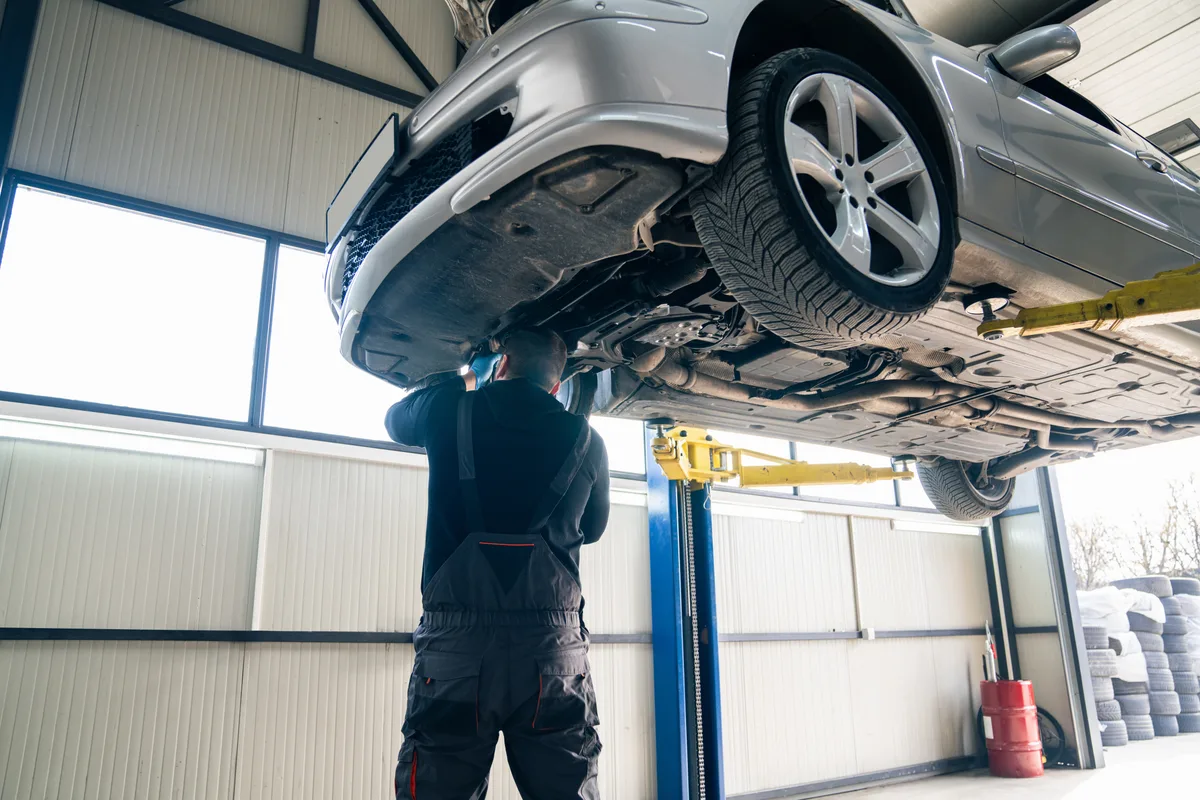
Every car that leaves your bays carries your workmanship into traffic. A wheel that separates, a brake line that fails, a misdiagnosed fault that strands a customer on the 401 — these claims arrive long after the job closed, and they name whoever did the work. Add the cars themselves: vehicles in your care, custody, and control are your legal responsibility from drop-off to pickup, hoist mishaps included.
Your garage insurance policy answers first, and nothing about incorporating changes that. What the corporation changes is where an uncovered or excess claim stops. A sole proprietor's exposure runs through their house and savings; a corporation's exposure ends at the business. The more technicians you employ, the stronger this argument gets, because you answer for their work too. What the corporation does not erase: unremitted HST and source deductions remain a director's personal problem, so the shield is never a licence to fall behind with CRA.
Make the corporation the owner of the iron
A modern shop is a capital business pretending to be a trade. Hoists, an alignment rack, A/C machines, diagnostic subscriptions, and the EV-service tooling now becoming unavoidable — six figures of equipment funds itself far faster out of profit taxed at Ontario's small business rate of about 12.2% than out of income taxed at personal rates approaching half. That gap is the practical engine of incorporation for a shop that reinvests.
Put the purchases, the financing, and the leases in the corporate name. Equipment generally depreciates in Class 8 at 20% declining balance, the corporation recovers HST on every purchase through input tax credits, and each loan the company repays on time builds the corporate credit file you will want when a bigger facility or a second location appears. Parts costs add their own wrinkle — much of your supply chain prices in US dollars, and tariff and warranty-reimbursement questions from US manufacturers live on our cross-border tax page for repair shops.
Already running on a T2125? The cutover, item by item
An operating sole-prop shop moves into a corporation on a fixed sequence, and most of it is administrative rather than tax. The tax step — rolling tools, equipment, and goodwill into the company under a section 85 election — happens on paper, tax-deferred. The rest is chasing counterparties.
| What moves | How it moves |
|---|---|
| Equipment, tools, goodwill | Section 85 rollover into the corporation, no tax triggered on the transfer |
| The bay lease | Assignment to the corporation with the landlord's written consent — start this one first |
| Inspection-station licensing | Your station authorization under Ontario's DriveON program is tied to the operator — update it before the corporation issues certificates |
| Garage policy and WSIB | Policy rewritten with the corporation as named insured; a WSIB account opened for the company |
| CRA accounts | New business number with RC, RT, and RP accounts; the sole-prop HST account closes after the switch |
| Bank and card terminals | Corporate account and payment processing opened before the first corporate invoice |
Pick the cutover date deliberately. A slow month beats your busiest season, fleet accounts and parts suppliers need notice so purchase orders and warranty registrations carry the right name, and register the corporation for HST from day one — even below the $30,000 threshold — so input tax credits on equipment and parts are never stranded in the wrong entity. The sole proprietorship files its final T2125 to the changeover date, and the corporation's first year starts clean.
Buying an established shop through your corporation
When a retiring owner offers you their shop, the corporation you already have is the buyer. Most garage deals are asset purchases: the equipment and customer goodwill come over, the seller's corporate history stays behind, and a joint GST/HST section 167 election keeps tax off the price when you acquire substantially all the business assets. A share purchase deserves caution in this trade — a garage corporation can carry quiet liabilities, and if bodywork or painting ever happened on site, soil and solvent history calls for environmental diligence before anything is signed.
Diligence the shop like a technician: which techs stay, what warranty promises follow the work already done, which fleet accounts actually renew, and whether the equipment on the floor is owned or leased. Once the deal closes, the combined operation needs books that track labour, parts margin, and work in progress properly — that is what repair shop bookkeeping is for.
Common questions.
Will incorporating protect me if a repair goes wrong?
It sets a boundary. Your garage policy responds to the claim first; the corporation stops an uncovered or excess claim from reaching your personal assets. It does not shield unremitted HST or payroll deductions — those stay with directors personally.
Does my DriveON inspection-station authorization move to the corporation?
Not automatically. The authorization identifies the operator of the station, so incorporating means updating it to the corporation before certificates are issued under the new entity. Sequence it with your insurance and lease changes.
Should I buy a retiring competitor's garage as shares or assets?
Usually assets. You take the equipment and goodwill, leave the seller's corporate history behind, and a section 167 election can remove HST from the purchase. Consider shares only after real diligence — including environmental history if the shop ever did bodywork.
Related reading
Put the shop behind a corporate wall.
Book a consultation and get a plain answer on exactly what applies to you.