
Who We Help · Audiologists & Hearing Clinics · Tax Services
Hearing clinic tax services: filing a three-tax-status business as one return
A hearing clinic files one T2 and one GST34, but the revenue behind those returns is exempt, zero-rated, and taxable in roughly equal measure — which makes the input tax credit calculation the real work, not the corporate tax rate. We prepare the T2, apportion GST/HST correctly across the exam room and the dispensary, and depreciate the audiometric equipment that neither side of the business could operate without.
By the AnalytIQ Accounting team · Last reviewed: August 12, 2026
The T2 is straightforward; the GST34 is where the work is
Corporate income tax on a hearing clinic follows the same small business deduction and active-income rules as any incorporated professional practice — the complexity sits almost entirely in GST/HST. Assessments and diagnostic services are exempt, hearing aids supplied on prescription are zero-rated, and batteries, domes, and accessories are taxable, so every filing period requires the clinic to know exactly which invoices belong in which bucket and to apply a consistent, documented method for splitting the costs that serve all three — rent, reception wages, and the booth itself among them. Filing frequency also matters more here than in a pure retail business: a clinic near the annual filer threshold with a large exempt-services component may qualify to file GST/HST less often than a comparably sized retailer, which changes how often the apportionment calculation needs to be redone and how much cash sits in trust between filings.
Year-end inventory of hearing aid stock — units purchased but not yet fitted, plus demo units held for trial — is valued at the lower of cost and fair value for tax purposes, the same rule that applies to any retailer's shelf stock. We reconcile that count against the serialized inventory ledger before the T2 is prepared, since a mismatch between the physical count and the books usually means a trial-return or a warranty exchange was never closed out in the system.
Input tax credits follow the revenue, not the expense category
Costs tied directly to dispensing — the hearing aids themselves, batteries, retail supplies — generate full ITCs, because that side of the business is commercial activity even though the sale is zero-rated. Costs tied directly to assessments generate none, because exempt activity does not carry ITCs regardless of how ordinary the expense looks on the invoice. Shared costs get apportioned on a method the clinic applies consistently period over period — commonly by revenue share between the exempt and commercial sides — and we document that method once so it survives a review rather than being reinvented at every filing.
| Expense | ITC treatment |
|---|---|
| Hearing aid purchases, batteries, retail supplies | Fully claimable |
| Audiometric testing supplies used only for assessments | Not claimable |
| Rent, utilities, front-desk wages, sound booth maintenance | Apportioned by a consistent method |
Capital cost allowance on an audiometric setup
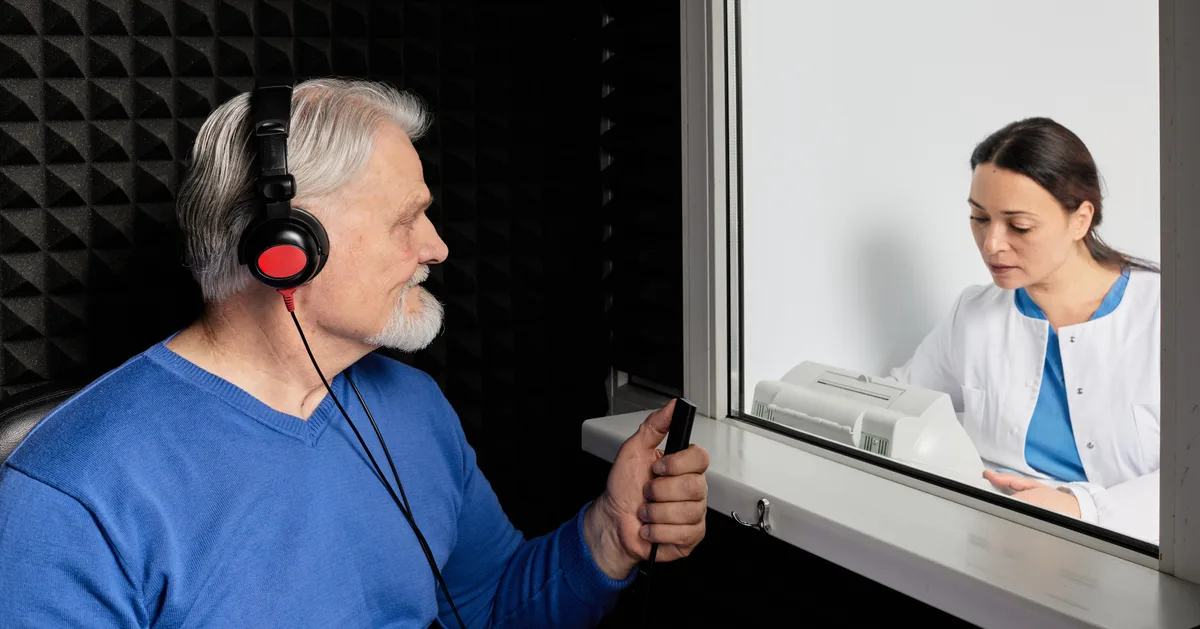
A clinic's fixed asset base is concentrated and expensive: a sound-treated audiometric booth, an audiometer, tympanometer, and real-ear measurement system, plus fitting and repair-bench tools. We capitalize each at its full landed cost, including freight, duty, and the exchange rate on the payment date where the vendor bills in USD, and claim CCA under the appropriate class each year. Demo and loaner hearing aids sit in a different category from this fixed equipment — they are inventory held for trial use, not depreciable assets, and we keep that line drawn clearly so the balance sheet reflects what each asset actually is.
The professional corporation, and who can actually own it
Where the clinic is owned by a CASLPO-registered audiologist, income can be earned through a professional corporation and taxed at the small business rate on active business income up to the usual limit, with salary or dividends drawn out to the audiologist personally. Where a hearing instrument specialist owns and operates the dispensing business without an audiologist as a principal, that ownership generally runs through an ordinary business corporation rather than a health profession corporation, since CASLPO's professional-corporation rules apply to its own registrants. We confirm which structure actually applies to a given clinic before assuming the professional corporation route is available, because getting this wrong at setup is expensive to unwind later.
ADP funding and manufacturer rebates on the return
ADP contributions received on a client's behalf are part of the taxable revenue for income tax purposes even though the funding source is a government program rather than the patient — they are not a grant to the clinic and are not treated as tax-free assistance. Manufacturer volume rebates reduce the cost of goods sold for the units they relate to rather than sitting as other income, which keeps gross margin reporting accurate and avoids overstating revenue on the T2. We reconcile both against the bookkeeping records before filing, so the return matches what actually happened in the clinic's ledgers. For an audiologist with a US-trained background, see our cross-border tax page for hearing clinics.
Common questions.
Can hearing clinics claim ITCs on hearing aid purchases?
Yes — dispensing hearing aids on prescription is zero-rated commercial activity, so ITCs on the device cost, batteries, and retail supplies are fully claimable, even though no GST/HST is charged on the sale itself.
Can a hearing instrument specialist own a professional corporation?
Generally no in the CASLPO sense — health profession corporations are tied to that college’s own registrants. A specialist-owned dispensing business typically runs through an ordinary business corporation instead.
Are ADP payments taxable income for the clinic?
Yes. ADP funding received toward a client’s hearing aid is part of the clinic’s revenue for income tax purposes, not a tax-free grant, and should be reconciled against claims before the T2 is filed.
Related reading
Filing built for the exempt-plus-retail mix.
Book a consultation and get a plain answer on exactly what applies to you.