
Who We Help · Audiologists & Hearing Clinics · Payroll
Hearing clinic payroll: two clinical roles, two pay structures
An audiologist and a hearing instrument specialist can see the same patients and dispense the same devices, but they are registered under different frameworks in Ontario, and clinics routinely pay them on different structures — salary or shareholder draws for the audiologist, salary-plus-commission for the specialist. We build one payroll that keeps both groups compliant, tracks commission correctly against the ESA, and reconciles WSIB and vacation pay across a clinic that rarely runs a single job description twice.
By the AnalytIQ Accounting team · Last reviewed: August 12, 2026
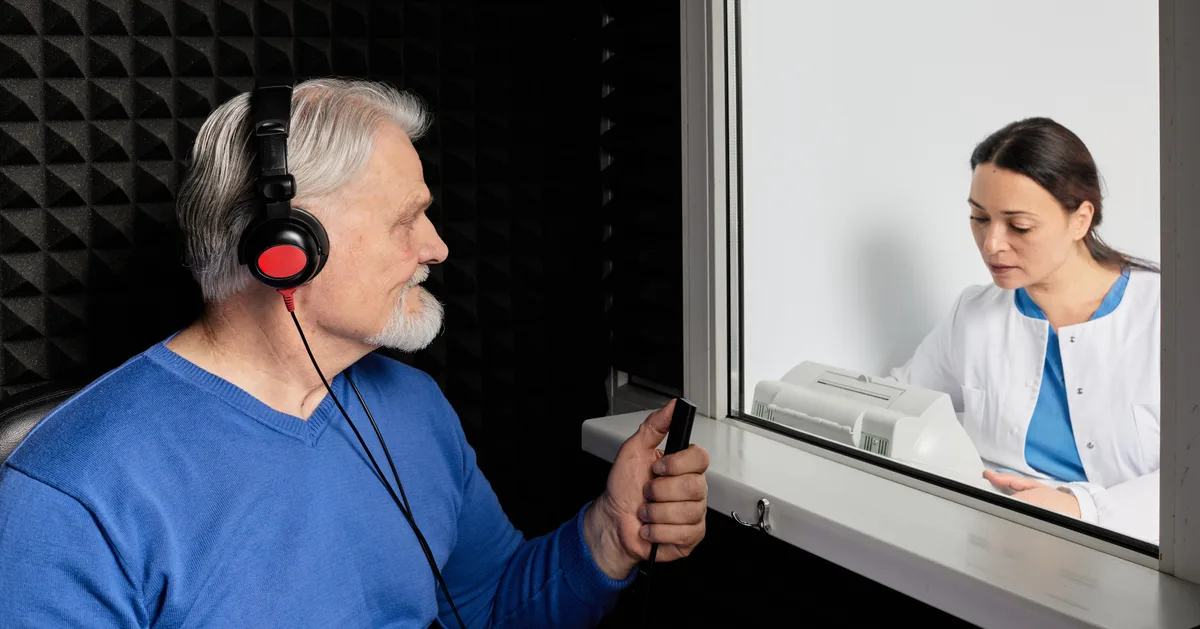
Audiologists and hearing instrument specialists are not the same payroll line
CASLPO-registered audiologists hold a regulated health credential, which typically puts them on T4 salary if employed, or on shareholder compensation if they own the professional corporation. Hearing instrument specialists dispense and fit hearing aids under a separate registration track and are more often paid a base plus a per-unit or percentage commission tied to device sales. We keep the two on separate pay structures in the same payroll run, because treating a commissioned dispenser like a salaried professional — or vice versa — creates ESA and source-deduction problems neither role should have.
Commission pay has its own Employment Standards Act mechanics
Ontario's ESA treats commission employees differently from salaried ones for overtime, vacation pay, and termination calculations, and a hearing clinic's commission is usually tied to unit sales net of returns inside the trial period — which means a commission earned in one pay period can be clawed back if the device comes back a few weeks later. We track commission on a per-sale basis against the trial-return calendar, so clawbacks are applied correctly rather than guessed at, and vacation pay is calculated on the commission actually earned, not the gross device price before any refund.
- Base plus commission split — the base is run as regular salary; the commission layer is calculated separately each pay period against confirmed, non-returned sales.
- Front-desk and scheduling staff — usually hourly, with their own vacation accrual and stat holiday pay calculation under the ESA.
- Associate audiologists — where an audiologist works under a room-and-referral arrangement rather than as an employee, we help confirm whether that relationship is genuinely a contractor split or an employment relationship the CRA would recharacterize; see how the CRA decides employee or contractor status.
WSIB is not optional once fitting work is involved
Hearing clinics with employees are generally required to carry WSIB coverage, and clinics that also run repair benches, mobile testing units, or offsite ADP assessments should confirm every location and role is captured under the account — a technician doing home visits for elderly ADP clients is still a covered worker. We set the WSIB premium calculation up against actual insurable earnings, including the commission component for hearing instrument specialists, so the year-end reconciliation does not surface an underpayment months after the fact. A clinic running two or three locations often shares a technician across sites on a fixed weekly rotation, and we track hours and commission by location as well as by employee, so a multi-site owner can see which clinic is actually carrying the payroll cost rather than relying on one blended number.
Part-time repair-bench coverage and casual front-desk staff — common in a business built around scheduled appointments rather than walk-in retail volume — bring their own vacation-pay accrual and Employer Health Tax calculation. We set the EHT calculation up once against the exemption threshold available to eligible private-sector employers, rather than recalculating it by hand at each remittance, and reconcile it against the WSIB premium base so the two do not drift apart over the year.
Owner-audiologists: salary, dividends, or both
Where the clinic operates through a professional corporation, the owner-audiologist's own pay is a planning decision, not a payroll default. A T4 salary builds RRSP room and CPP contributions and supports a mortgage application; dividends skip both CPP and RRSP room but leave more cash inside the corporation for equipment and inventory financing. Most owner-audiologists land on a blend, and we revisit the split each year against the corporation's cash position — a clinic financing a new sound booth or a bulk device order in a given year often prefers to lean toward dividends that year, then adjust back once the purchase is behind it.
Cross-border staff are rare, but not unheard of
Occasionally a clinic brings in a US-trained AuD on a work permit before Canadian registration is complete, or a manufacturer's US-based clinical trainer runs an in-clinic session. Payments to a non-resident individual for services performed in Canada can trigger Regulation 105 withholding regardless of how the invoice is styled, so we flag any US-based trainer or locum before the first cheque goes out rather than after. For the clinic owner's own cross-border history — a US audiology degree, US loans, US retirement accounts — our cross-border tax page for hearing clinics covers the personal side; this page covers what shows up on the clinic's own payroll.
Common questions.
Do audiologists and hearing instrument specialists get paid the same way?
Not usually. Audiologists are more often salaried employees or corporate shareholders, while hearing instrument specialists are commonly paid a base plus commission tied to device sales, which brings different ESA rules into play.
What happens to commission when a hearing aid is returned in its trial period?
We track commission against confirmed, non-returned sales, so a device returned inside the trial window is clawed back from the commission calculation for the period it falls in rather than left as an overpayment.
Does a hearing clinic need WSIB coverage?
Generally yes, once the clinic has employees, including technicians who do offsite ADP assessments or home visits. We set premiums against actual insurable earnings, commission included.
Related reading
Payroll built for a mixed clinical team.
Book a consultation and get a plain answer on exactly what applies to you.