
Who We Help · Audiologists & Hearing Clinics · CFO Services
Hearing clinic CFO services: the number that actually drives margin
Two clinics can run the same assessment volume and post very different profit, because the number that actually drives margin is what happens after the assessment — how many patients fit a device, at what price, at what cost after rebates. We build the dashboard around that conversion, the ADP and insurer cash-flow lag it creates, and the decisions — a second sound booth, a new location, a consolidator’s offer — that follow from it.
By the AnalytIQ Accounting team · Last reviewed: August 12, 2026
Capture rate is the metric the whole business runs on
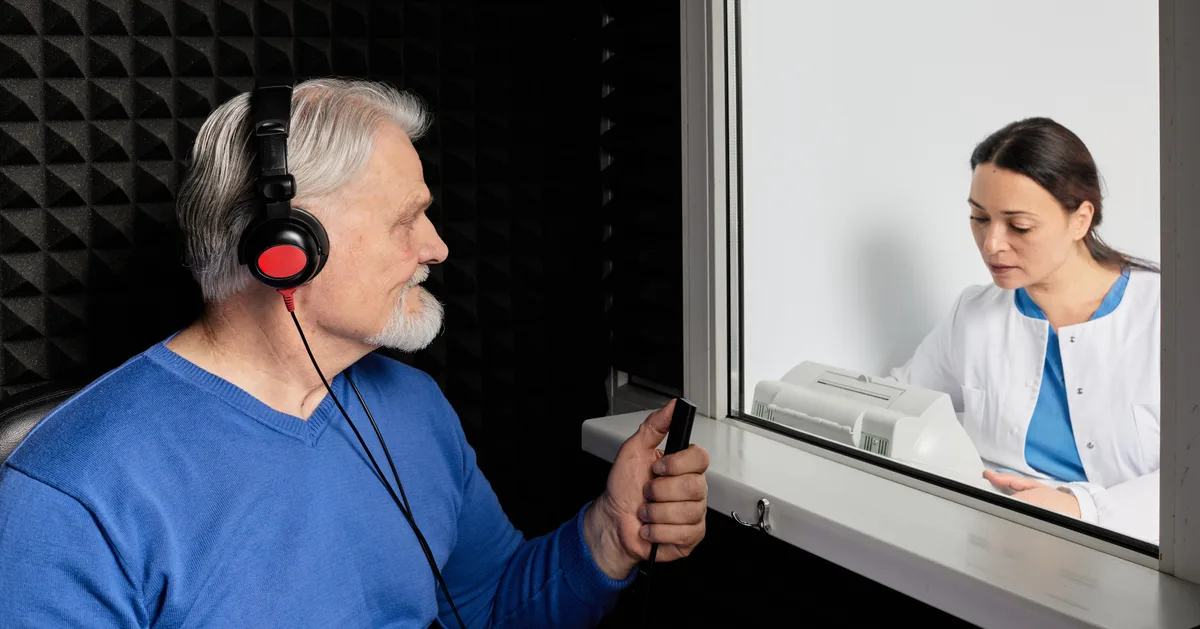
Capture rate — the share of assessments that convert into a device fitting — determines whether a clinic's exam volume actually turns into revenue, and it is the number most owners can describe but few can pull cleanly from their own reports. We calculate it by audiologist and by referral source, because a clinic often finds that one referral channel drives strong assessment volume with weak conversion, while a smaller channel converts at a much higher rate and deserves more marketing spend than it gets. We also track capture rate against average patient age and against the assessment fee structure a referral source charges, since a walk-in assessment funnel and a physician-referral funnel tend to convert very differently, and blending the two into a single average hides which one is actually worth growing.
Margin per device, after the rebate lands
List price tells you almost nothing about what a hearing aid actually earns the clinic, because manufacturer volume rebates, ADP funding, and the client's own co-payment all move independently and land at different times. We build a per-unit margin view that nets the true landed device cost — after rebate — against total realized revenue across every payer on that sale, so an owner comparing two manufacturer lines is comparing actual contribution margin, not list-price spread.
- Blended payer mix — the share of revenue coming from ADP, private insurance, WSIB, veterans' programs, and self-pay, tracked over time as a leading indicator of cash-flow timing.
- ADP claim cycle time — how long a submitted claim takes to fund, since a lengthening cycle is a working-capital problem before it shows up anywhere else.
- Trial-to-sale conversion — the share of fittings that survive the trial period without a return, which is both a clinical quality signal and a revenue-forecasting input.
Cash flow runs on a lag most retailers don't have
A hearing aid sale funded partly by ADP and partly by an insurer can take weeks to fully collect even after the device has left the clinic, which means revenue and cash arrive on different calendars in a way a straight retail business never experiences. We build a 13-week cash flow forecast around that lag specifically — separating collected cash from booked revenue — so a clinic financing inventory for a busy season, or covering payroll during a slow month, is planning against what will actually land in the bank rather than what the P&L already shows as earned. This matters most around device restocking: a clinic that commits to a manufacturer purchase order sized for the following quarter's expected fittings needs to know that the cash from this quarter's ADP claims is actually going to arrive before that order is due, not simply that the sales that generated it were booked.
Growth decisions: a second sound booth, a second location, or a sale
Adding a second fitting room or a second location changes the fixed-cost base before it changes revenue, so we model the break-even patient volume for each option against the clinic's actual capture rate and margin per device, not an industry average. The hearing care sector has also seen real consolidation activity, with larger groups acquiring independent clinics, and an owner who receives an unsolicited offer benefits from having clean, audiologist-by-audiologist, location-by-location numbers ready before the conversation starts rather than assembled under time pressure once a term sheet is on the table. We prepare that view as part of ongoing advisory, not as a one-time exercise triggered by an offer. The same model tells an owner something a term sheet never will: what the clinic is actually worth continuing to run, so a sale price can be judged against a real alternative instead of against a number that simply sounds large.
Where cross-border costs enter the forecast
Several manufacturer contracts price and rebate in US dollars, so a meaningful slice of cost of goods sold moves with the exchange rate independent of clinic performance. We build a currency sensitivity line into the forecast so a swing in the exchange rate shows up as its own variance rather than getting misread as a change in device margin. For the audiologist's own cross-border tax file, see our cross-border tax page for hearing clinics, and for what fractional CFO work covers across every client, see our advisory and CFO services.
Common questions.
What is capture rate for a hearing clinic?
The share of assessments that convert into a device fitting. It is the single number that most determines whether exam volume turns into revenue, and we track it by audiologist and referral source.
Why does ADP funding matter for cash flow, not just revenue?
Because ADP and insurer funding on the same sale can take weeks to collect after the device leaves the clinic, creating a cash lag that a straight retail business does not face. We forecast collected cash separately from booked revenue.
How do you evaluate a consolidator’s acquisition offer?
By preparing clean, location-by-location and audiologist-by-audiologist margin and capture-rate data ahead of time, so the clinic negotiates from real numbers rather than assembling them under time pressure once an offer arrives.
Related reading
Advisory built around your conversion, not just your revenue.
Book a consultation and get a plain answer on exactly what applies to you.